
What Is a Lot / Batch Number? How Is It Determined and Marked in Industry?
Traceability is the foundation for ensuring quality, safety, and regulatory compliance in modern manufacturing and the global supply chain. The most critical coding used to identify a specific group of products manufactured using the same raw materials, machinery, and time frame during production is the Lot (Batch) Number.
By Erden Arıkan · Mechatronics Engineer
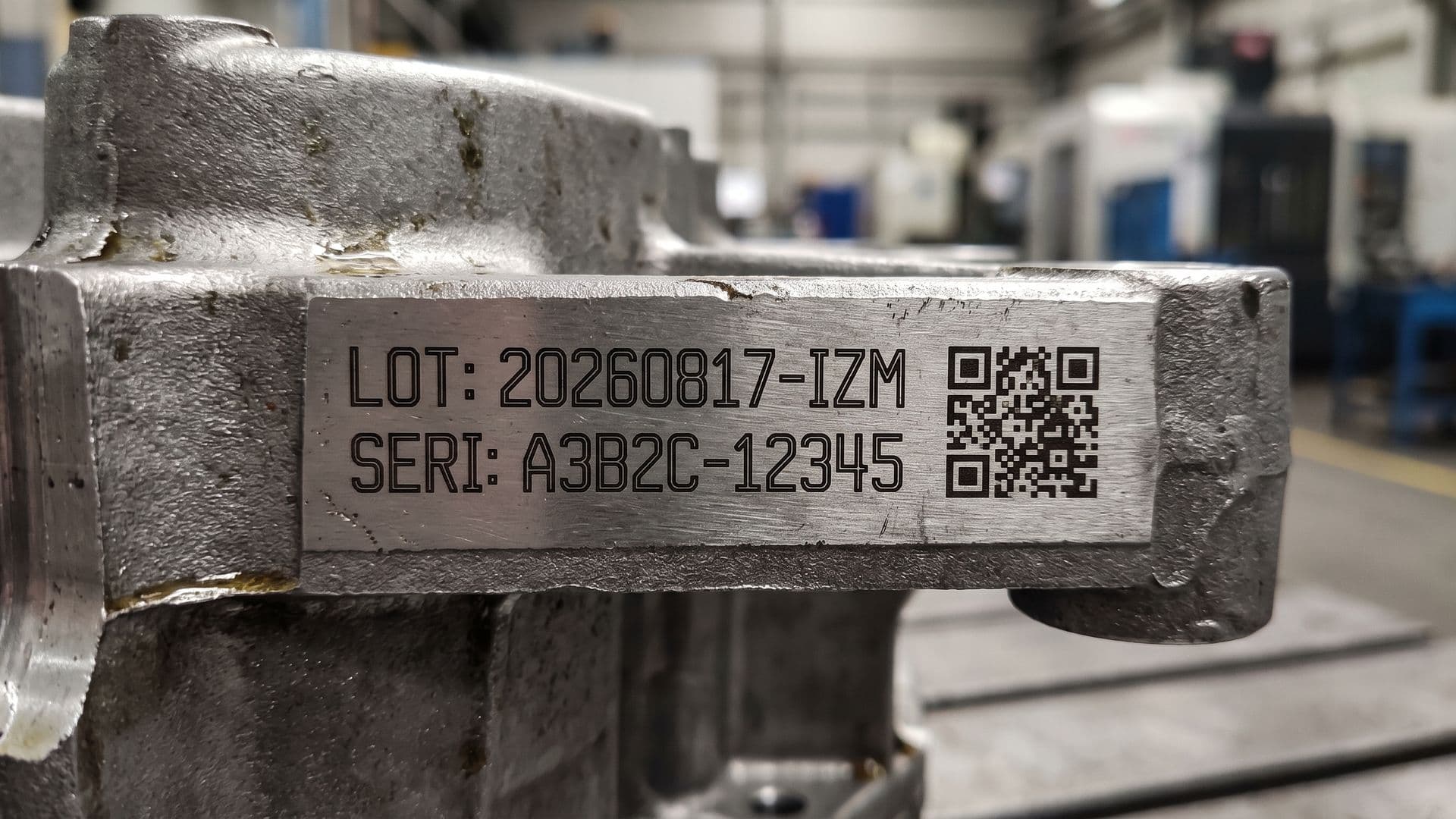
Traceability is the foundation for ensuring quality, safety, and regulatory compliance in modern manufacturing and the global supply chain. The most critical coding used to identify a specific group of products manufactured using the same raw materials, machinery, and time frame during production is the Lot (Batch) Number.
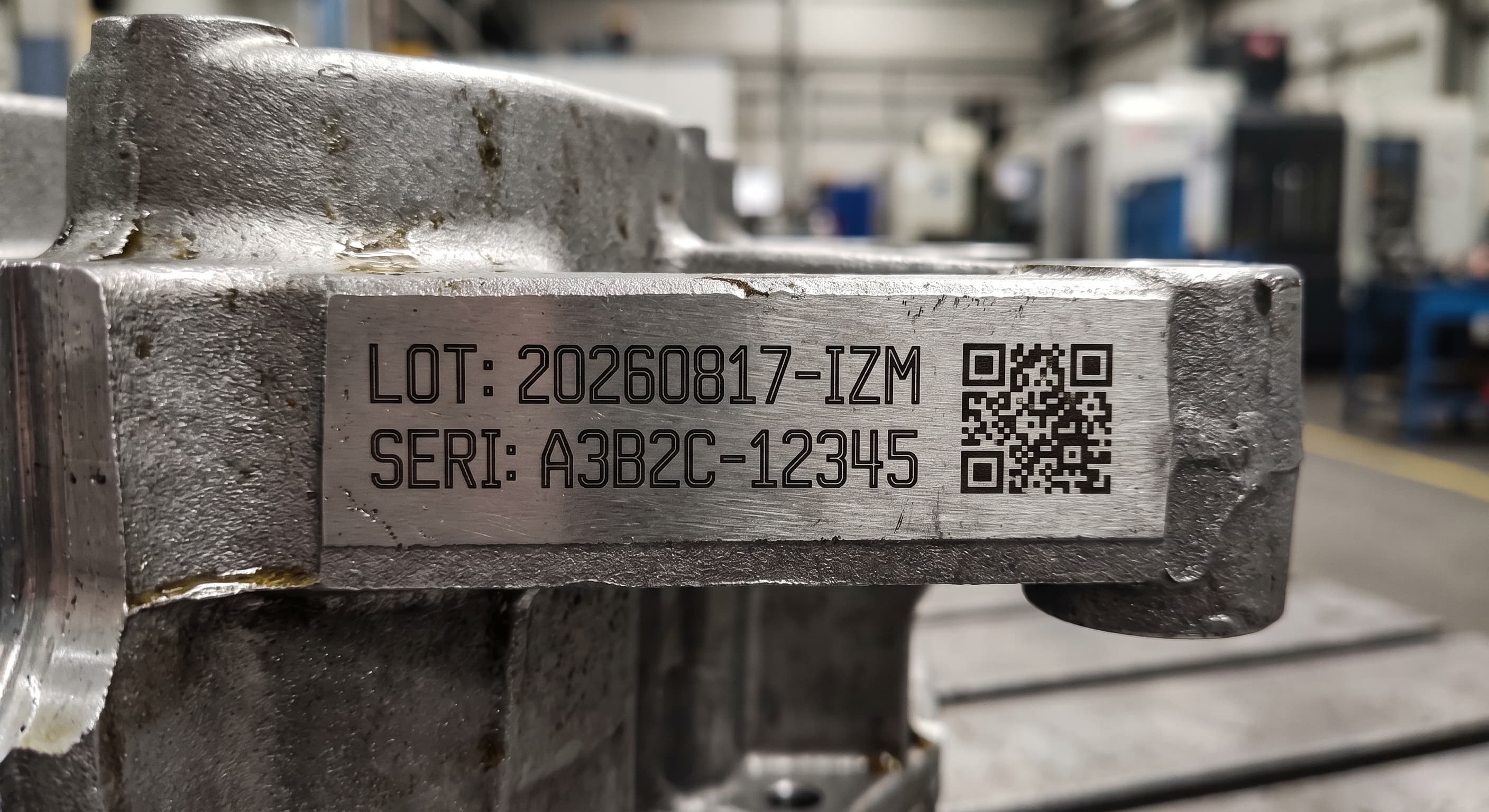
What Is a Lot / Batch Number?
A lot number (or Batch Number) is a unique alphanumeric code assigned to a group of products manufactured within a specific time interval, using the same production parameters, identical machine line, and the same batch of raw materials.
This number serves as a digital traceability record containing the product's manufacturing date, shift, facility code, raw material supplier, and the production line utilized.
What Is the Difference Between a Lot Number and a Serial Number?
These two terms, often confused with each other, serve different scopes:
- Lot / Batch Number (Group Identity): Represents all products within the same production run collectively. Thousands of products in a batch share the exact same Lot number.
- Serial Number (Unique Identity): Exclusive to only a single individual product worldwide. Every single unit carries a distinct serial number.
Why Is a Lot / Batch Number So Critical?
For manufacturers and consumers alike, lot coding is the backbone of operational success:
- Quality Control and Defect Identification: When a defect or out-of-tolerance deviation is detected in a product, the exact batch, time, or operator shift responsible for the issue is pinpointed immediately.
- Fast and Targeted Product Recalls: If a defective component reaches the market, only the products carrying the specific Lot number are recalled rather than recalling the entire production, preventing millions in financial losses.
- Supply Chain Tracking: Every stage is logged, from raw material entry at the factory to delivery to the end user.
- Compliance with Legal Regulations: Global and national standards such as ISO, FDA, and CE mandate permanent Lot coding for full traceability.
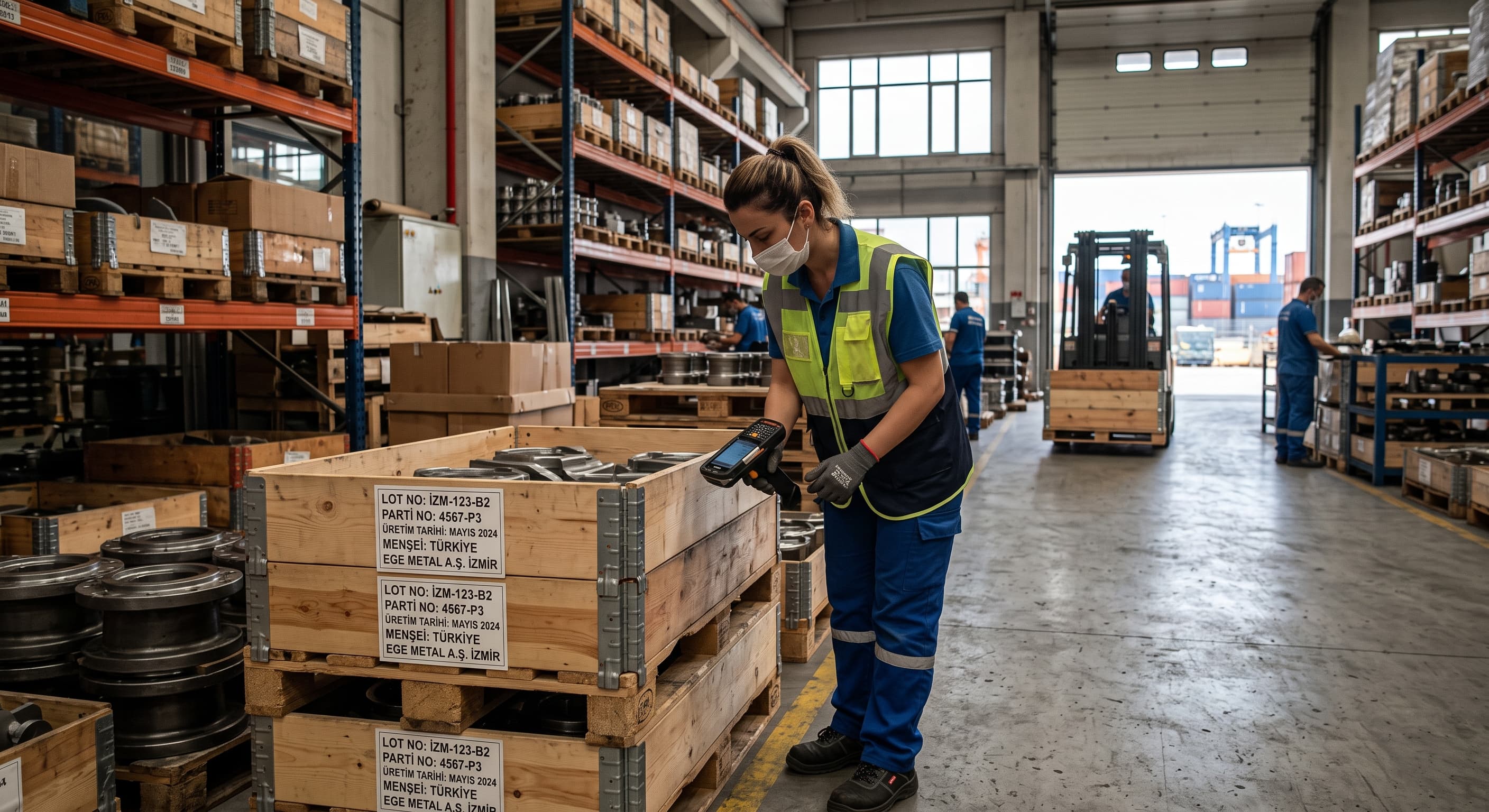
Where and in Which Industries Are Lot / Batch Numbers Used?
- Automotive and Defense Industries: Root cause failure analyses are conducted via Lot tracking of chassis parts, engine blocks, brake systems, and safety components.
- Food and Beverage Industry: Mandatory printing of expiration dates, best-before dates, and Lot numbers on packaging in accordance with food safety standards.
- Pharmaceuticals and Medical Devices: Ensures monitoring of critical batches across Track & Trace systems and surgical instruments (UDI).
- Electronics and White Goods: Used to manage warranty and service processes for circuit boards, compressors, and motor components.
- Cosmetics and Chemicals: Lot numbers are mandatory for formula stability monitoring and shelf-life tracking.
How Is a Lot / Batch Number Determined and Formatted?
Depending on a company's production dynamics, Lot numbers are typically constructed from a combination of the following elements:
- Production Date and Time: (e.g., Year, Month, Day, Shift code)
- Facility and Line Information: (e.g., Plant code, Line 2, Injection Press 4)
- Raw Material / Supplier Code: (e.g., Incoming steel coil or polymer granule batch no.)
- Batch-Specific Alphanumeric Code or 2D DataMatrix Barcode
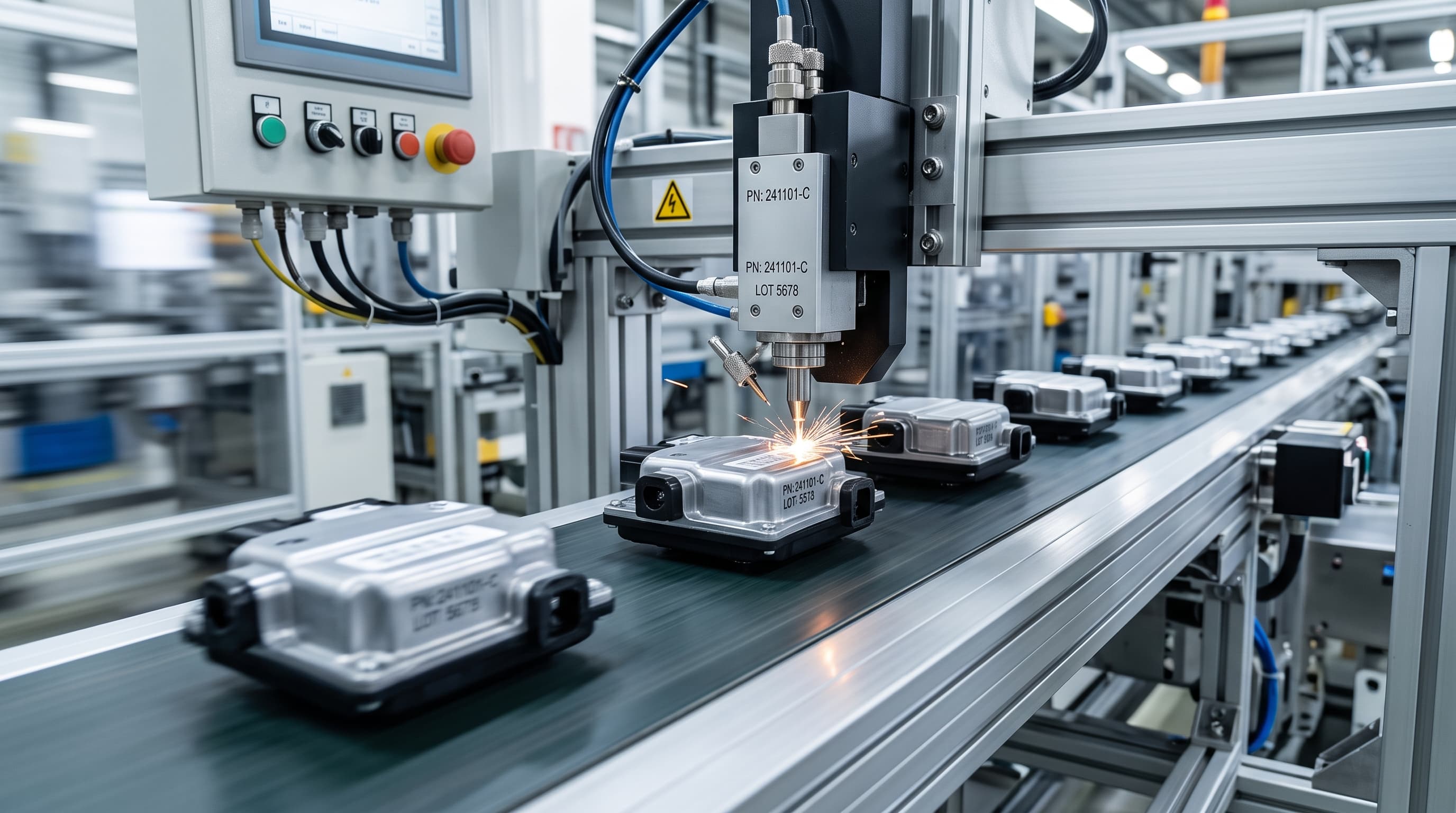
Permanent Lot Marking on Production Lines: Dotpeenator Systems
If a Lot number fades, smears, or wears off during the product lifecycle, the part loses traceability and fails regulatory compliance audits. Dotpeenator Marking Systems provide permanent, durable solutions against the recurring consumable costs (ink/solvent) and erasure risks associated with continuous inkjet systems:
1. Dotpeenator Fiber and UV Laser Marking Systems
The fastest method for marking Lot numbers and 2D DataMatrix codes directly onto plastic packaging, pharmaceutical boxes, aluminum tags, anodized parts, and stainless steel:
- Zero Consumables: Eliminates the consumption of ink, solvents, and ribbons.
- Guaranteed Permanence: Laser-etched at the micron level, ensuring resistance against chemicals, solvents, and abrasion.
- Marking-on-the-Fly: Marks Lot numbers in real-time as products move on conveyor belts without slowing down line speed.
2. Dotpeenator Dot Peen Marking Systems
Engineered for deep mechanical engraving on heavy industrial components, cast bodies, steel pipes, chassis, and metal nameplates:
- Physical Durability: Uses a solid carbide stylus to indent micro-dots into the surface, remaining fully legible even after sandblasting, painting, and galvanizing processes.
- Resistance to Harsh Environments: Operates reliably in oily, dusty, and demanding industrial environments.
- Benchtop, Portable, and Integration Models: Supports standalone manual operation by an operator or fully automated integration into robotic lines.
The Right Marking Strategy for Industrial Traceability
A Lot / Batch number is the core traceability tool verifying your factory's production quality and brand reliability. Marking this data on your shop floor quickly, accurately, and permanently elevates your business toward Industry 4.0 and end-to-end traceability standards.
To discover the most suitable laser marking and dot peen marking solutions for your production line, material, and cycle time, or to request a free sample marking test, contact us at dotpeenator.com.
#