











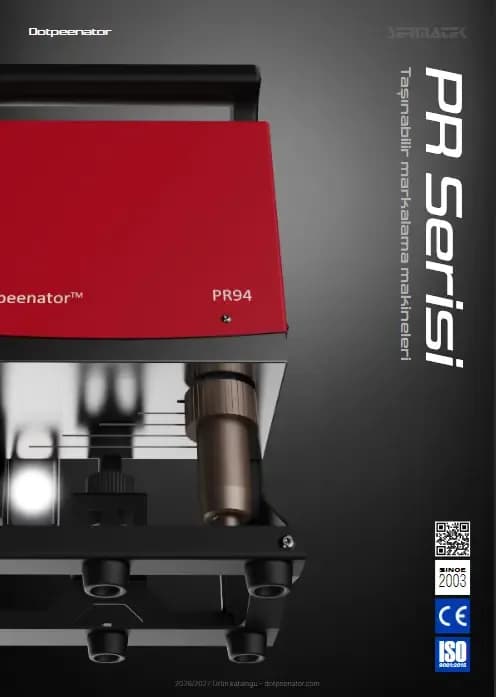
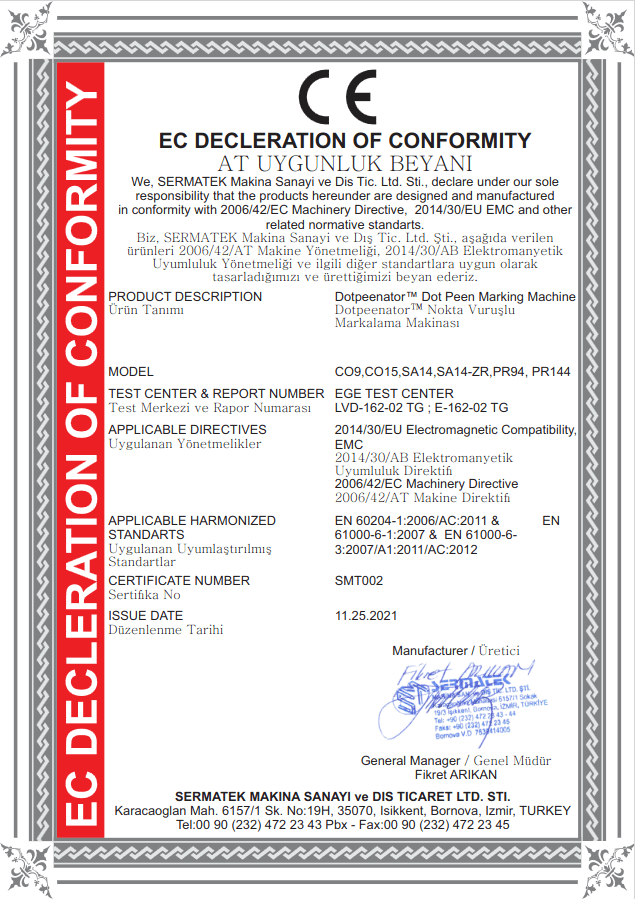
Dotpeenator™ Logo
Generic Tech Bg 1
Gelişmiş Teknoloji

Industrial Traceability

Leave indelible signatures on metal

Empower your production with high-precision dot-matrix marking solutions that withstand harsh industrial conditions.

Browse Products
Generic Tech Bg 2
Automation compatible

Production Line Solutions

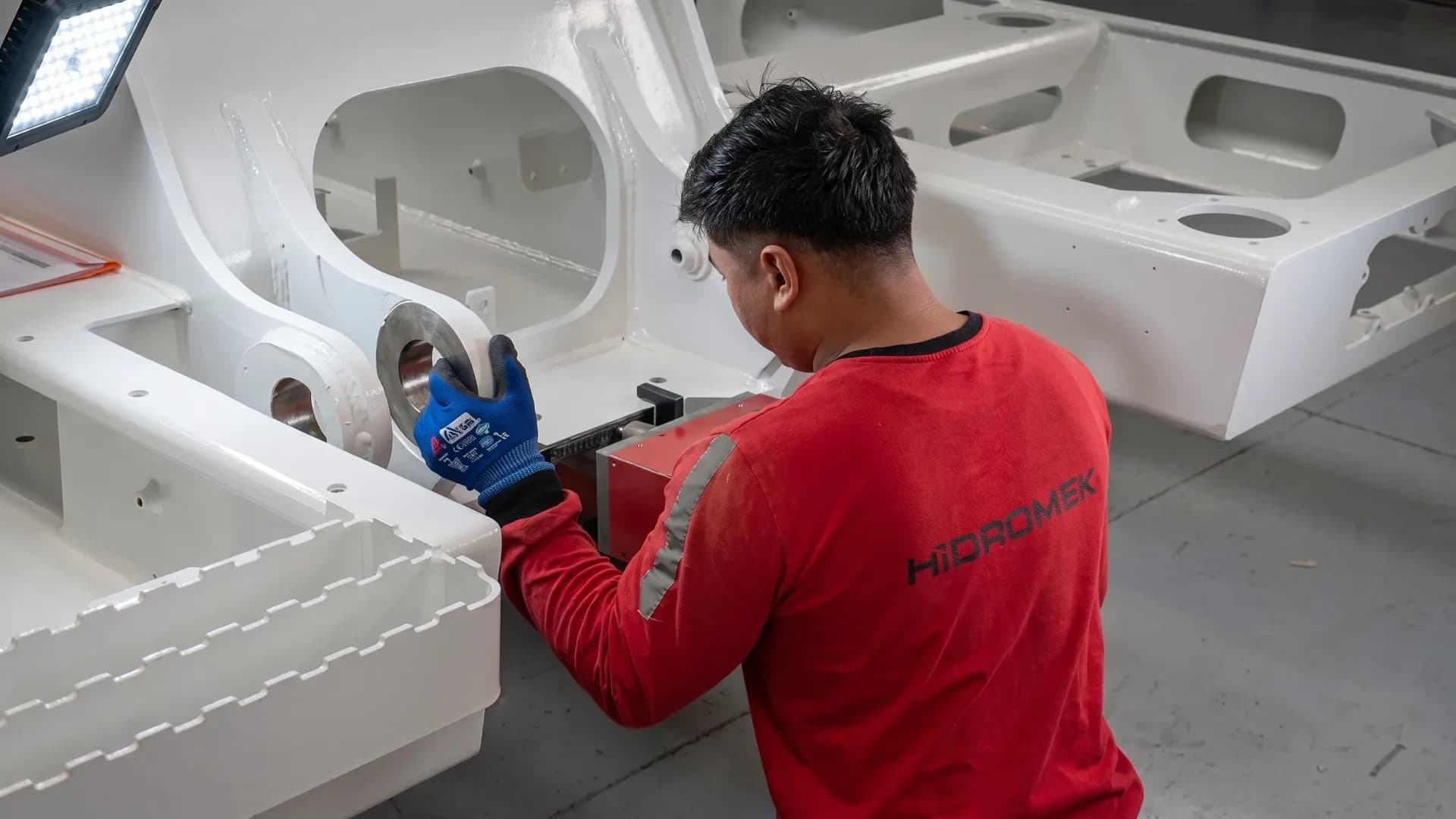
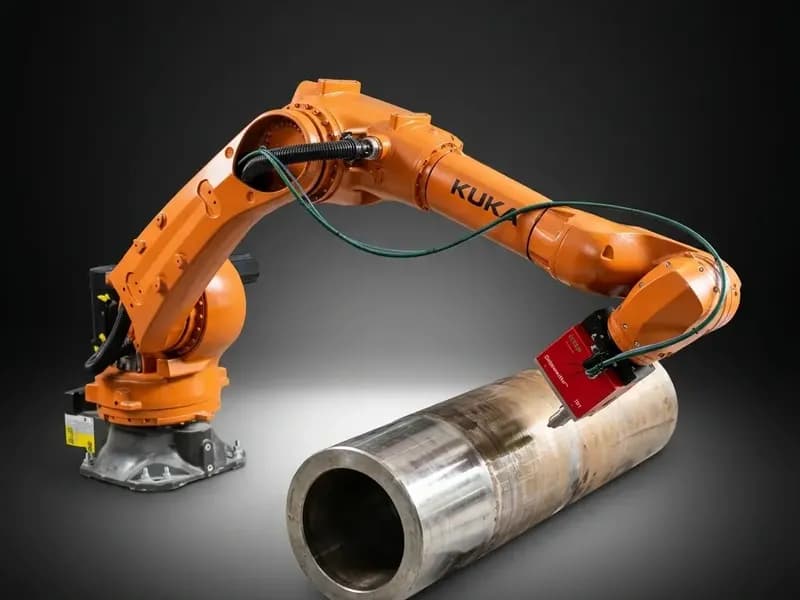
Fully Integrated and Serial with Your Production Line

Reduce your cycle times with high-speed in-line marking units that can be easily integrated into automation lines.

Discover solutions
Dotpeenatör Masaüstü koleksiyonu render.
High precision

Perfect readability

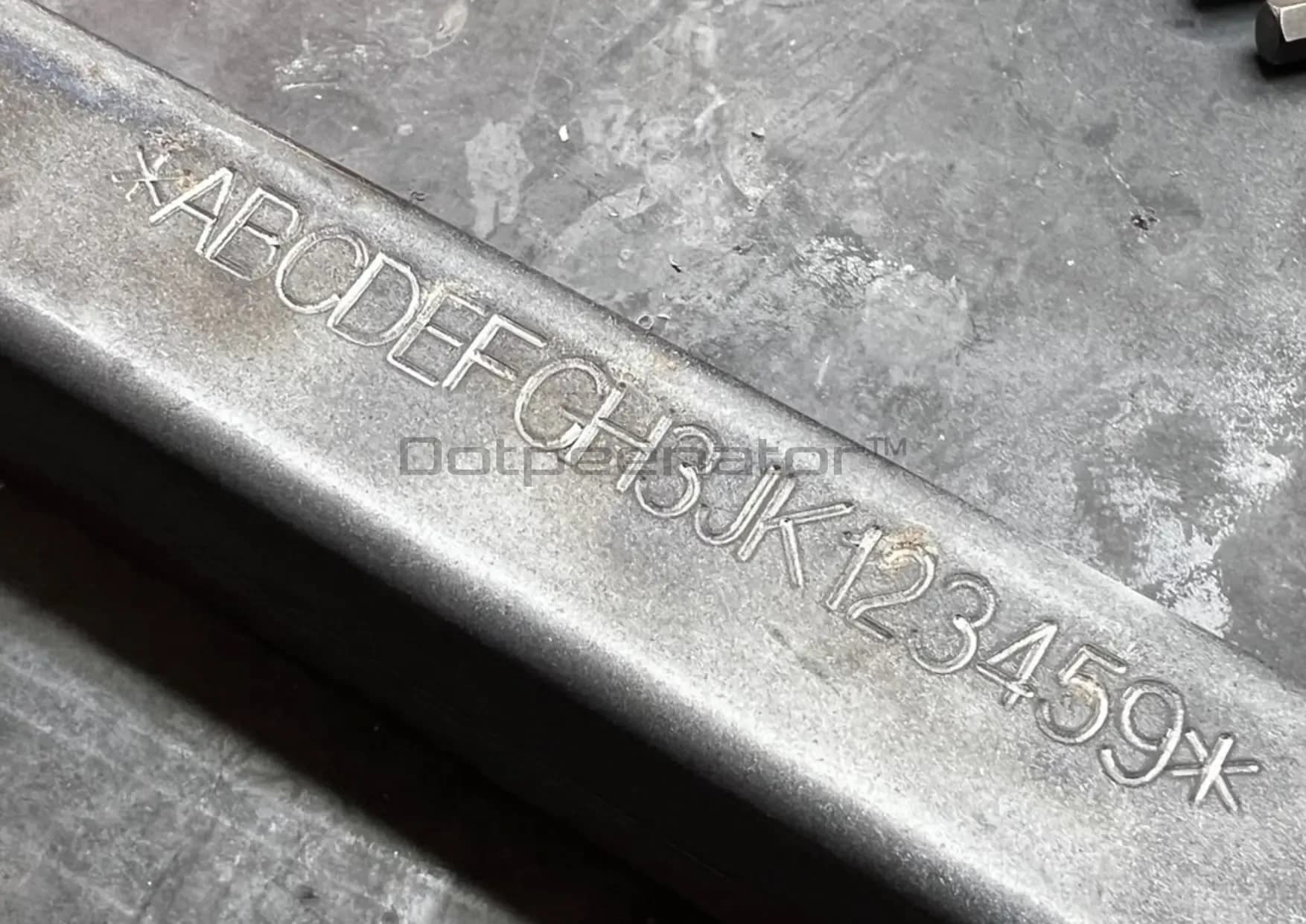
Standard Compliant 2D Coding and Chassis Marking

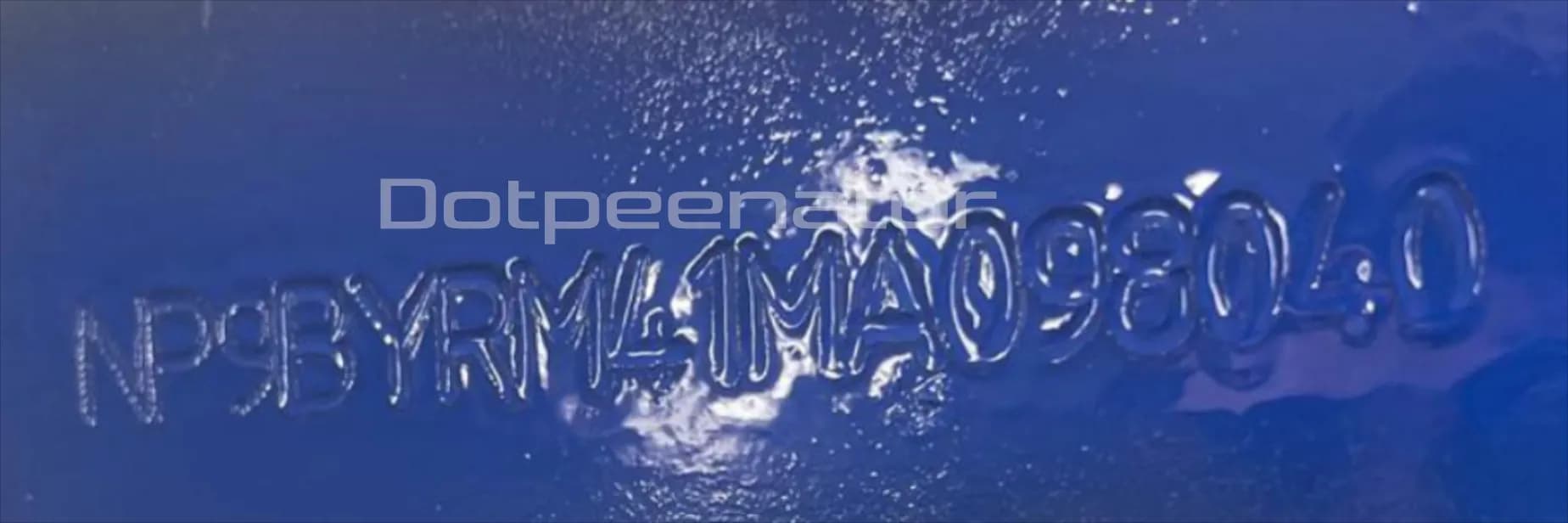
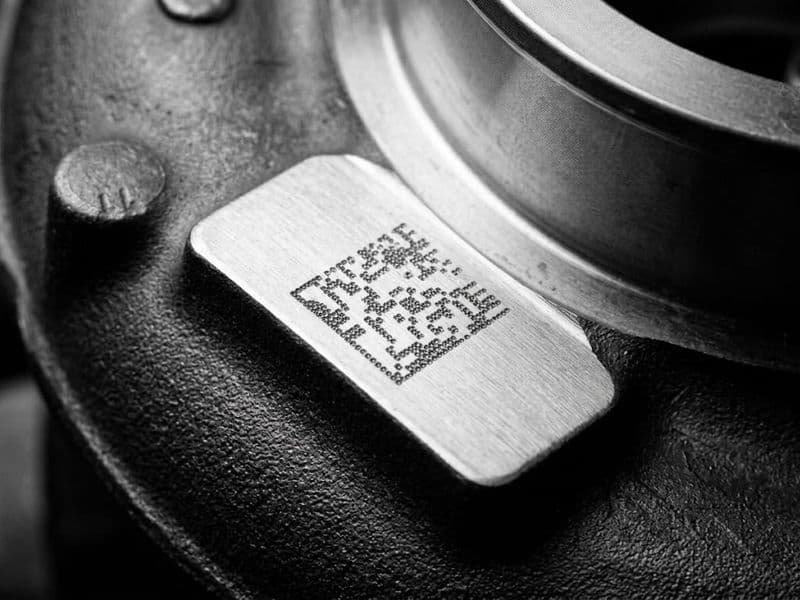
Datamatrix chassis marking technology provides deep and flawless marking that retains its clarity even after painting or coating.

Get a quote

Our clients

Dotpeenator™ marking solutions have been the preferred choice for production line and quality control teams by small, large, and industry-leading companies for over 23 years.

INDUSTRIES

ENKA
BOSCH
TIRSAN
TURKISH TECHNIC
aselsan
MAHLE
MAN
MKE
BORUSAN
HİDROMEK
ENKA
BOSCH
TIRSAN
TURKISH TECHNIC
aselsan
MAHLE
MAN
MKE
BORUSAN
HİDROMEK

Industries

Automotive

Automotive

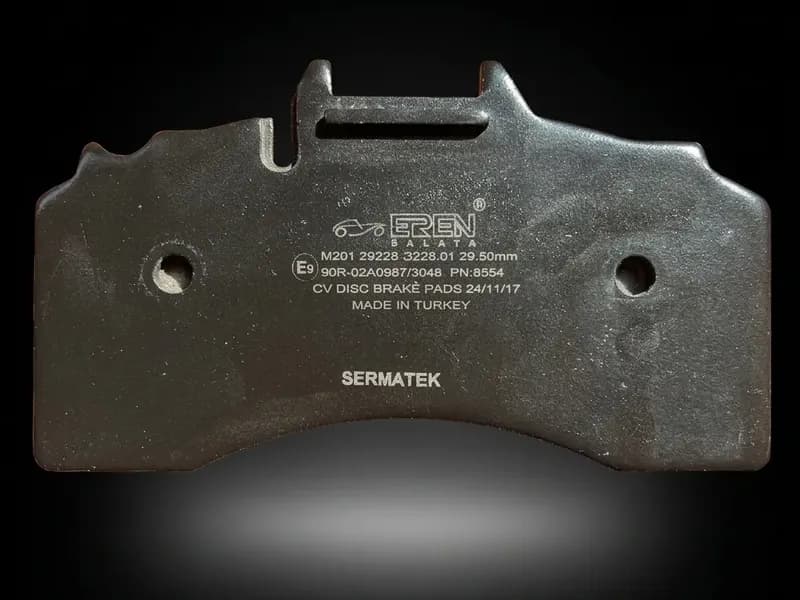
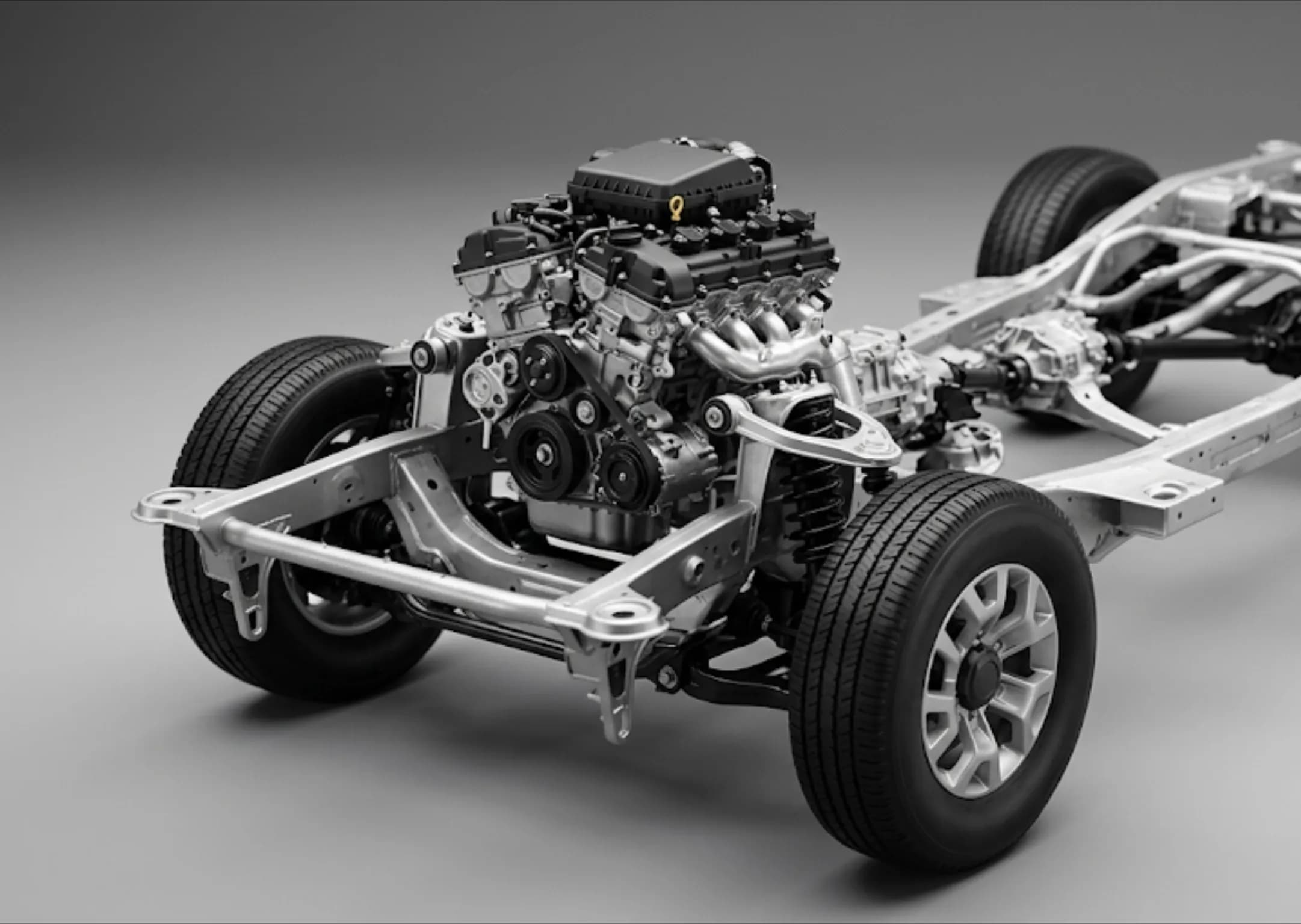
The automotive industry is one of the leading industries that uses dot-matrix marking machines most intensively to ensure high speed, zero-error, and traceable parts on mass production lines. This technology is preferred for engraving indelible identification information and 2D DataMatrix codes onto thousands of vital parts, from vehicle chassis (VIN) and engine blocks to brake discs and drivetrain components. These deep marks, created during production, maintain readability throughout the vehicle's lifecycle despite harsh external factors such as electrophoretic coating, oven painting, lubrication, and challenging road conditions. As a result, dot-matrix marking prevents the use of counterfeit parts and logistical errors, while ensuring automotive manufacturers operate in full compliance with global quality standards and legal regulations.
Explore
Aviation

Aviation

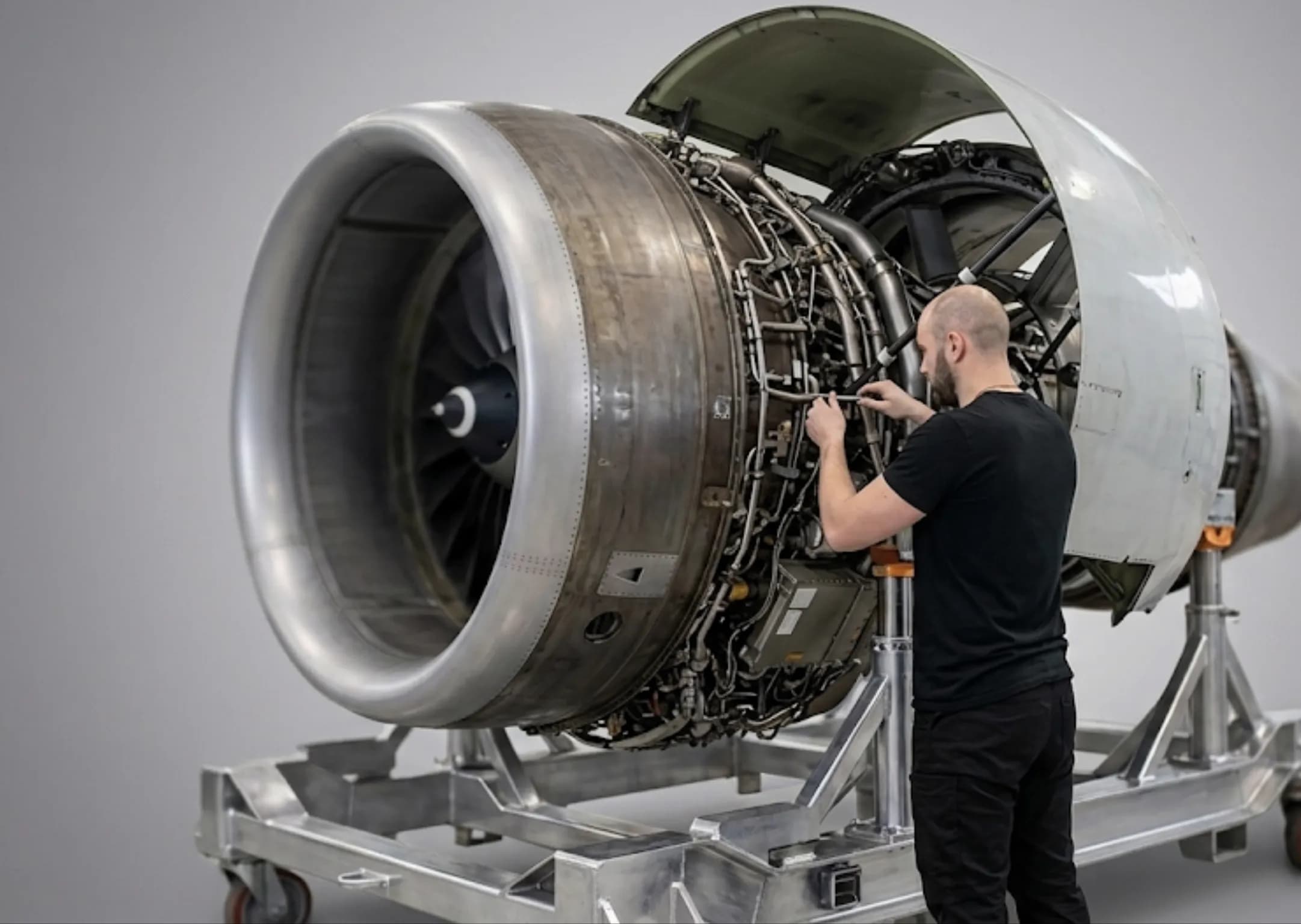
The aerospace industry widely utilizes dot-matrix marking machines for traceability of all critical parts and components to ensure the highest level of flight safety. This technology is preferred for engraving permanent serial numbers and 2D DataMatrix codes onto many sensitive components, from jet engine parts and landing gear to turbine blades and avionics system housings. Designed to aerospace standards, low-stress marking tips perform the process safely without creating microcracks or material fatigue on metal surfaces. As a result, dot-matrix marking provides indelible tracking on aerospace parts exposed to extreme temperatures and vibrations, while offering full compliance with stringent international aviation regulations such as AS9132 and AS9100.

Explore
Defense Industry

Defense Industry

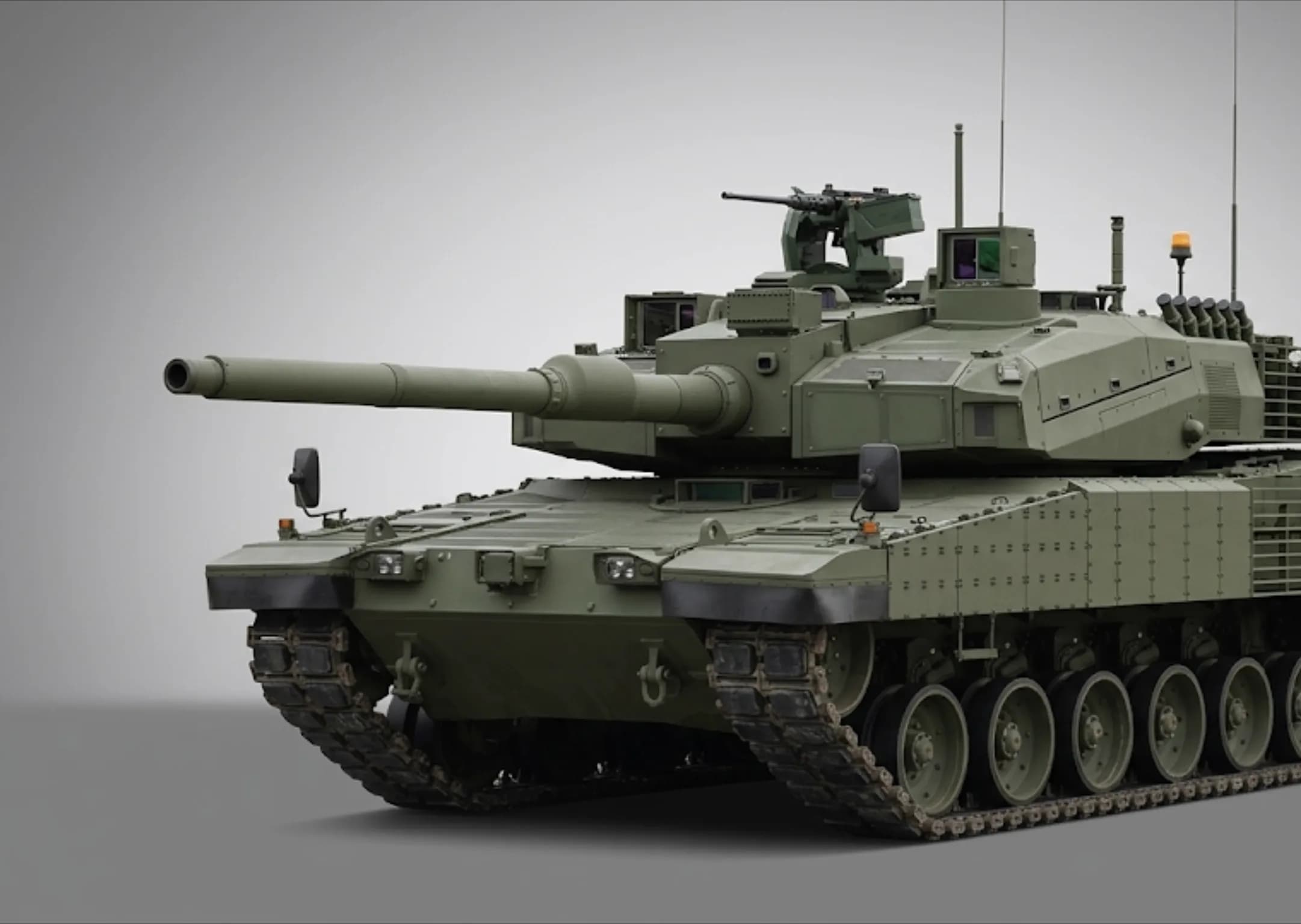
The defense industry utilizes dot-impact marking machines for the traceability of all ammunition and equipment due to critical factors such as the success of military operations, national security, and component accuracy. This technology imprints indelible serial numbers, logos, and 2D DataMatrix codes on a wide range of military inventory, from light weapons to heavily armored vehicle parts, missile bodies, and UAV components. The system, which creates deep marks on the surface using a physical impact method, ensures that the markings remain legible for life, despite extreme conditions such as mud, high heat, chemicals, and friction in the battlefield. As a result, dot-impact marking prevents the use of counterfeit parts, safeguarding military logistics, while offering full compliance with international military standards, primarily MIL-STD-130.

Explore

Oil, Energy

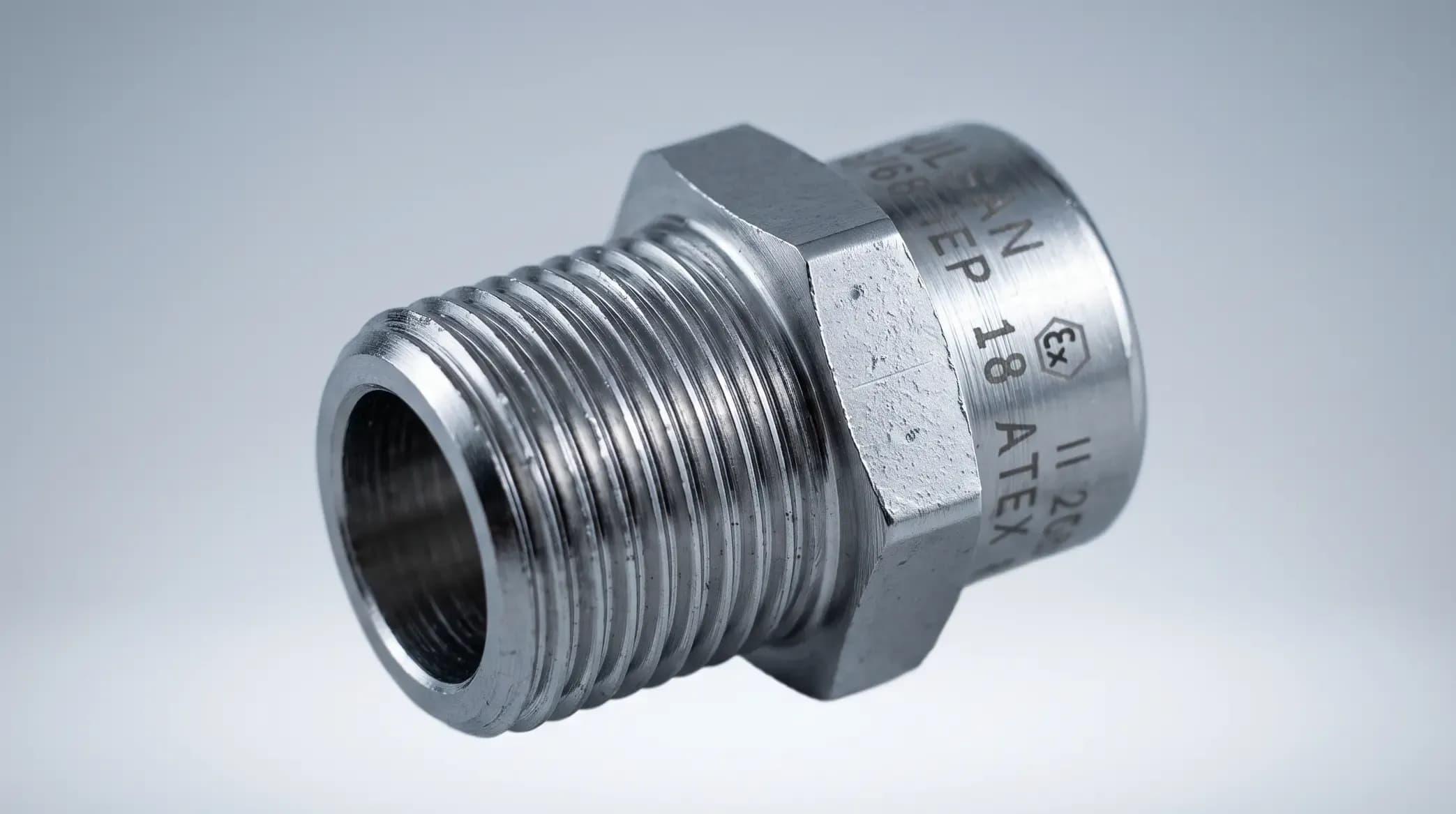
The oil and energy sector heavily utilizes dot-matrix marking technology for the secure tracking of equipment exposed to high pressure, corrosion, and extreme weather conditions. This method is used to permanently engrave part numbers, alloy information, and traceability codes onto critical components such as drill pipes, flanges, valves, and wellhead equipment. The low-stress impact structure offered by dot-matrix marking does not create microcracks in metals under high pressure and maintains readability even after heavy field painting. As a result, this technology optimizes asset management in challenging field conditions while fully complying with international safety and quality standards such as API and ATEX.

Explore
Power Electronics

Power Electronics

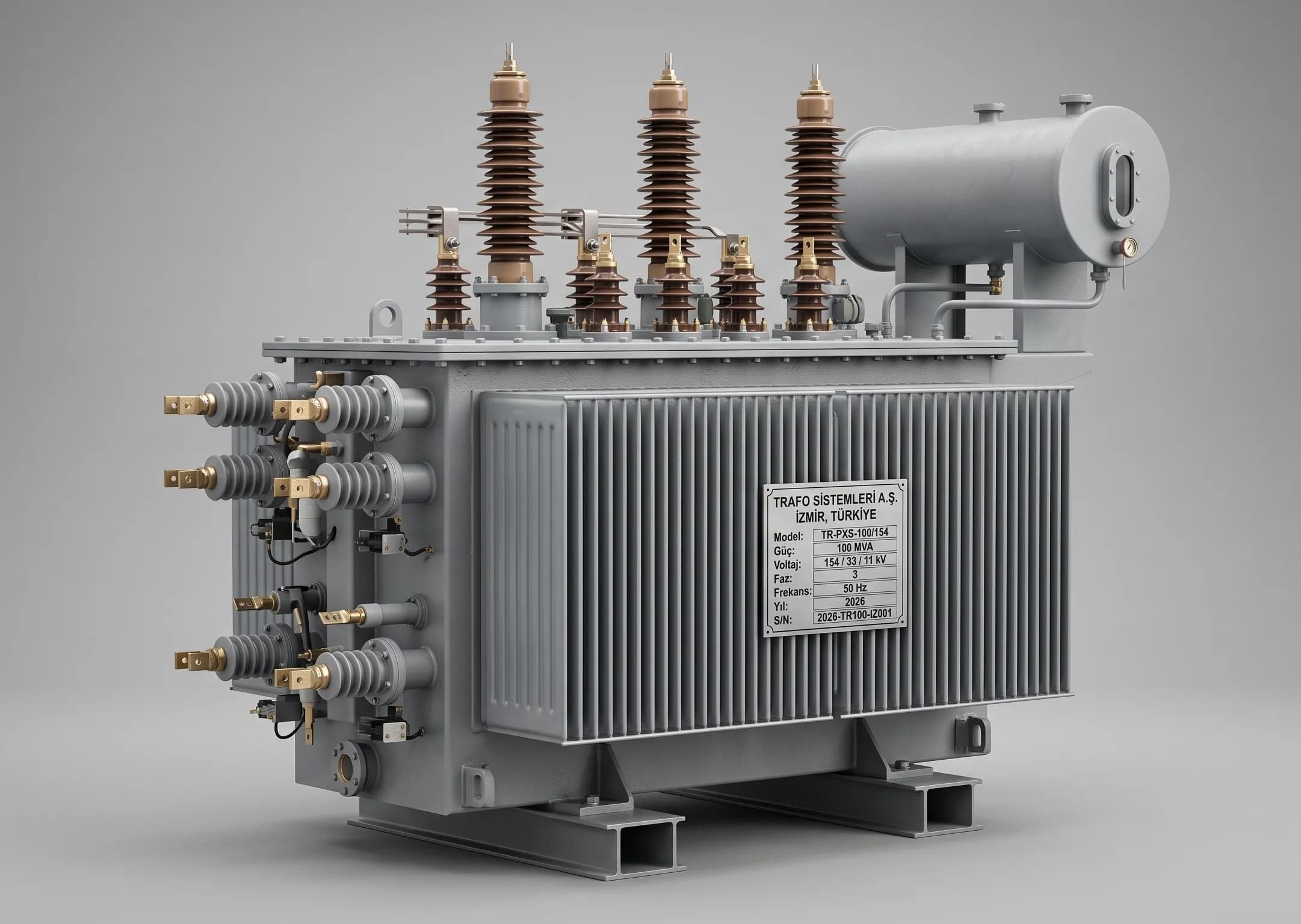
The electrical and power electronics sector heavily utilizes dot-matrix marking technology, particularly in infrastructure components requiring high durability, such as power electronics, transformers, generators, and heavy-duty industrial distribution panels. This technology is preferred for engraving indelible technical data, schematics, and 2D DataMatrix codes onto thick copper busbars, cast electric motor housings, and metal construction site cabinets. While laser systems are prominent for sensitive circuit boards (PCBs), the deep marks offered by the dot-matrix method provide unparalleled permanence on heavy electrical equipment exposed to outdoor conditions and high current heat. Consequently, this method facilitates the secure tracking of electrical assets in challenging industrial environments while offering full compliance with international electrical safety and traceability standards.

Explore
Precious Metals

Precious Metals

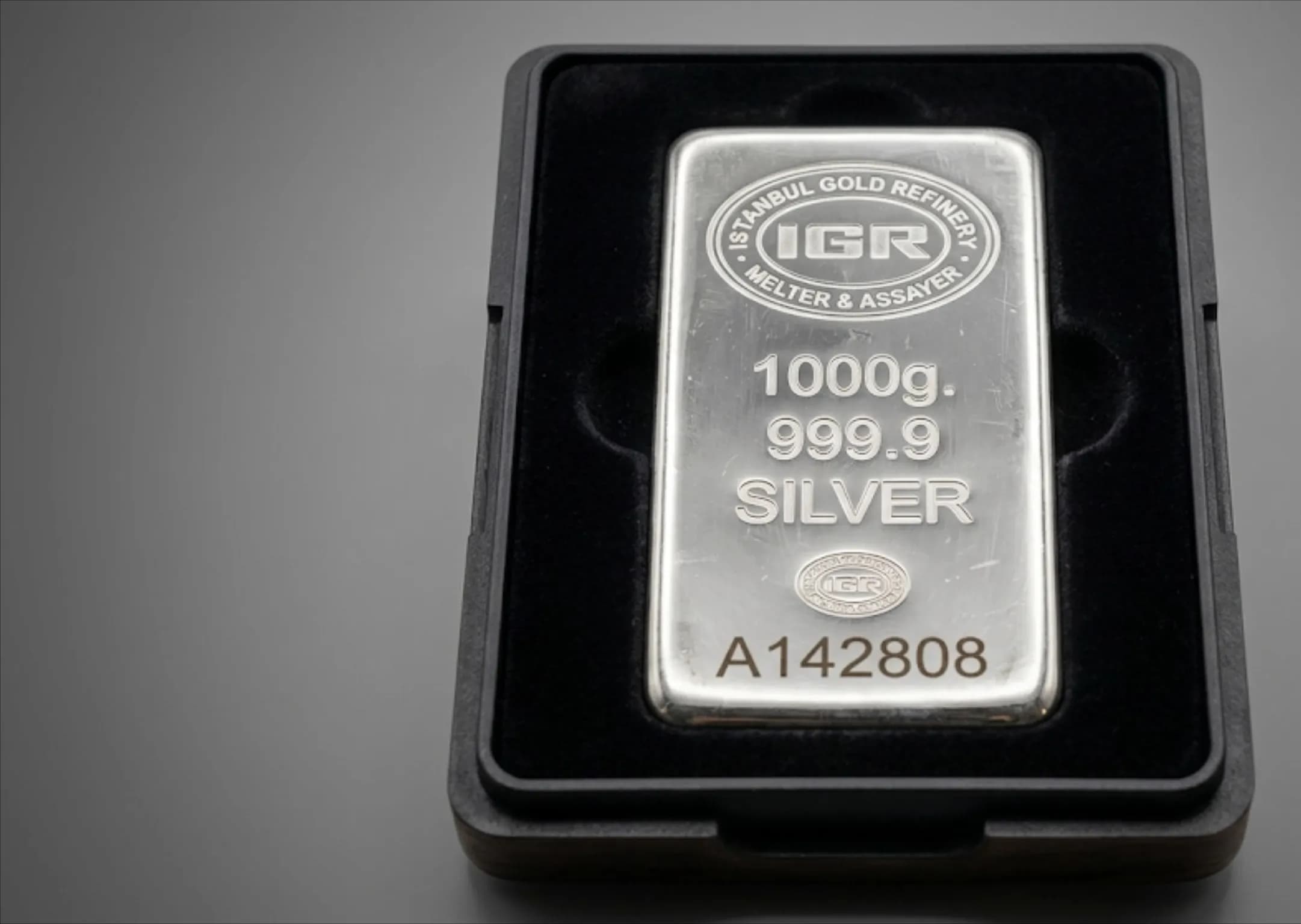
The precious metals and refining industry actively uses dot-matrix marking machines to ensure the security and traceability of high-value gold and silver bullion. This technology permanently imprints critical data onto the bullion, such as weight, purity level (millem), refinery logo, and a QR code enabling digital tracking. The dot-matrix method marks by shaping the metal without removing material from the surface (without chip removal), thus preserving the precise milligram-level weight of precious metals. Consequently, this system minimizes the risk of counterfeiting and enhances product safety, while facilitating full compliance with the stringent certification standards of internationally respected organizations such as the LBMA.

Explore
Shipping industry

Shipping industry

The shipbuilding industry widely utilizes dot-matrix marking machines to ensure durable and permanent part traceability against harsh marine conditions. This technology is used to engrave indelible serial numbers, logos, and QR codes onto many critical components, from ship plating and engine parts to valves and safety equipment. This deep marking process, performed using a physical impact method, maintains its readability even after rigorous shipyard processes such as rust removal, sandblasting, and intensive painting. Consequently, dot-matrix marking facilitates compliance with international maritime standards while making inventory management and maintenance processes in shipyards safer and more effective.

Explore

Application areas

Alüminyum billet markalama

Aluminum Billet Marking

Permanent, high-speed traceability for raw aluminum production. Our heavy-duty dot peen marking machines deliver deep, high-contrast indentations on raw aluminum billets. Engineered to withstand the harshest foundry conditions, these marks remain perfectly legible through outdoor yard storage, rough handling, and secondary manufacturing processes—ensuring flawless inventory control from cast to final product.

Explore
Genel markalama

Aluminum, Steel, and Hard Plastic Marking

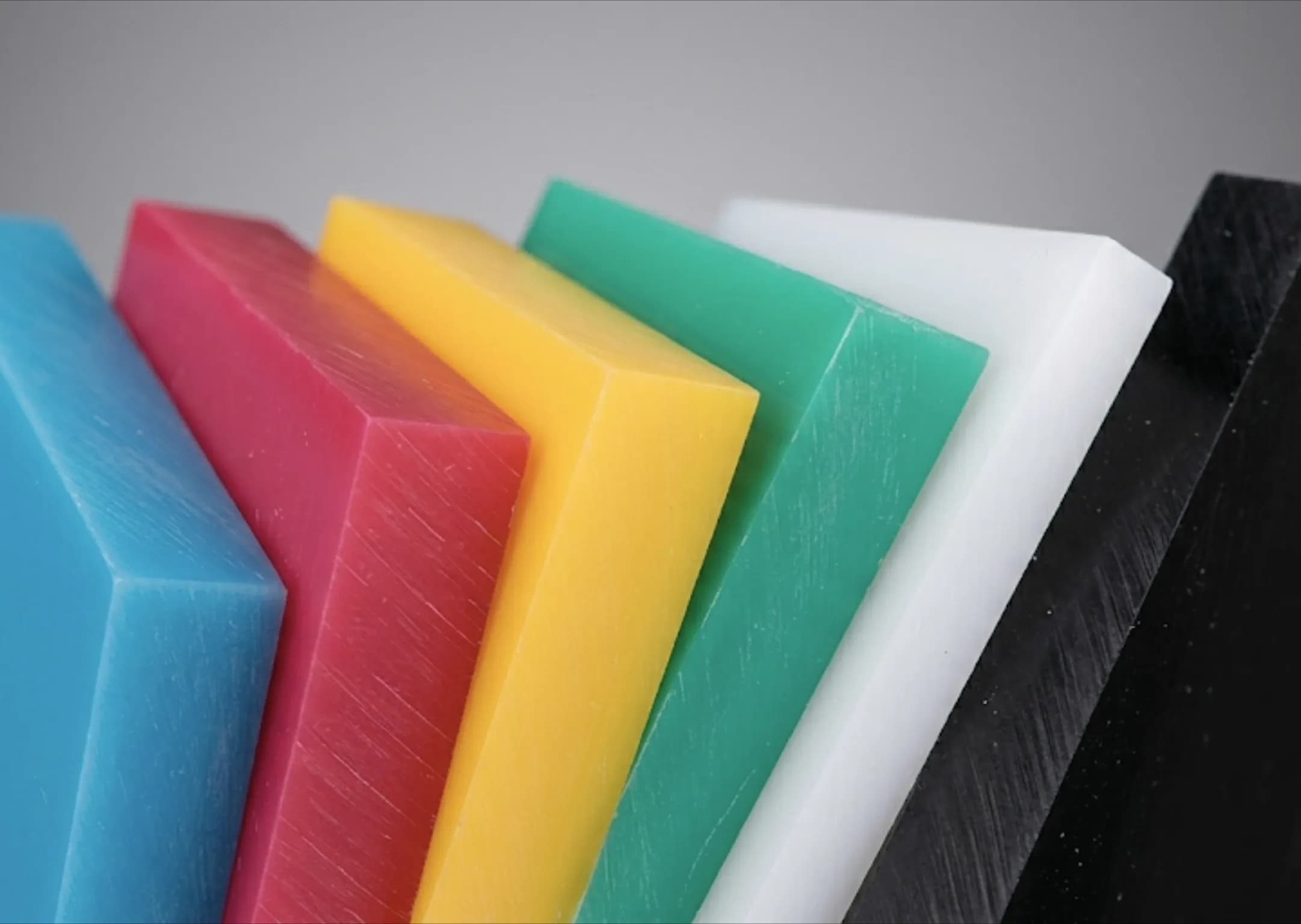
Smooth marking across a wide variety of materials, from stainless steel and aluminum to cast metals and hard plastics.

Explore
Cast Body Marking

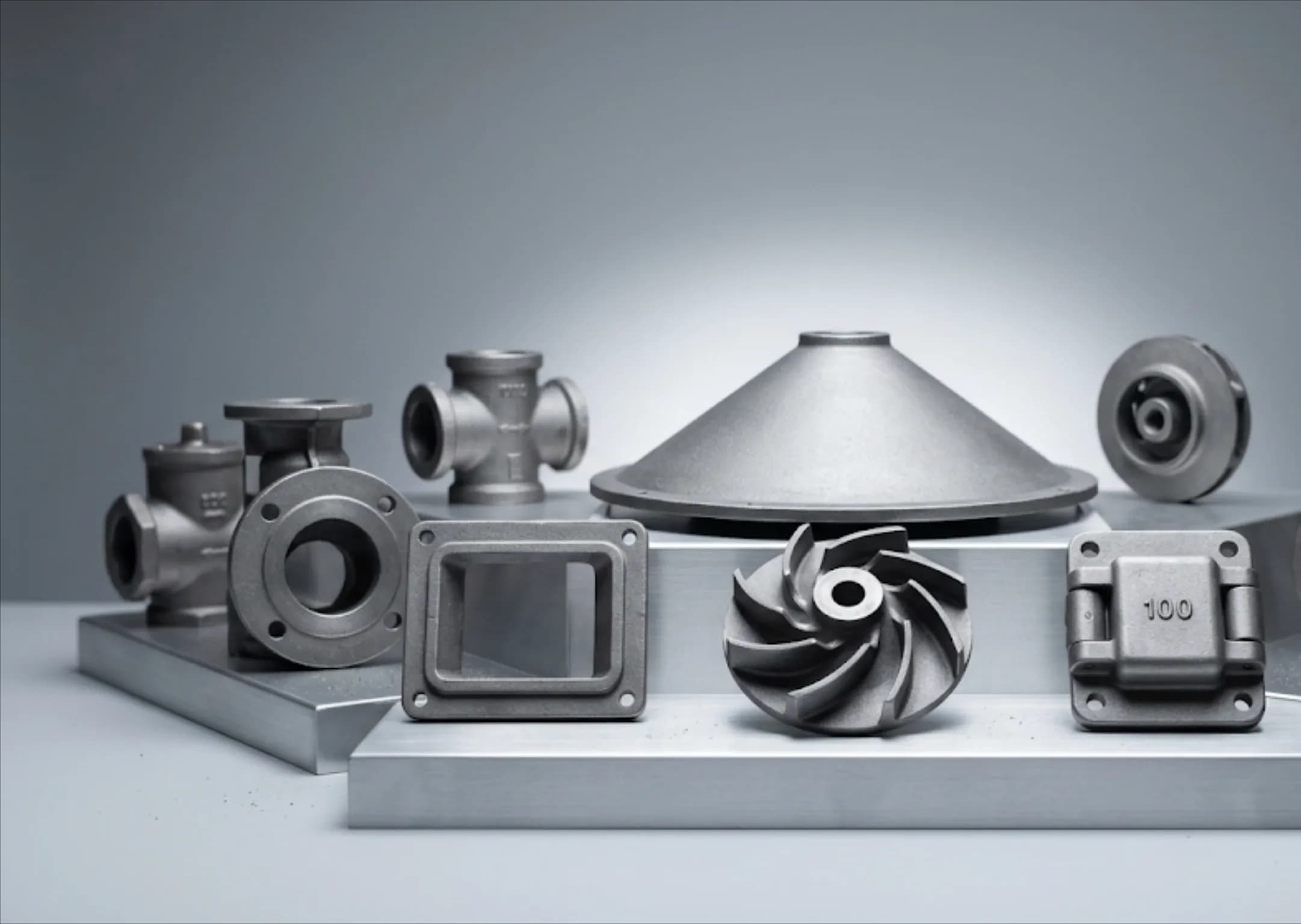
Cast Body Marking

Explore
Jant kesiti markalama çalışması

Chassis Number (VIN) and Automotive Part Marking

Fully compliant with automotive standards (ISO), permanent and deep chassis number (VIN) marking solutions.

Explore
Derin nokta vuruşlu markalama

Deep Dot Peen Marking

Explore
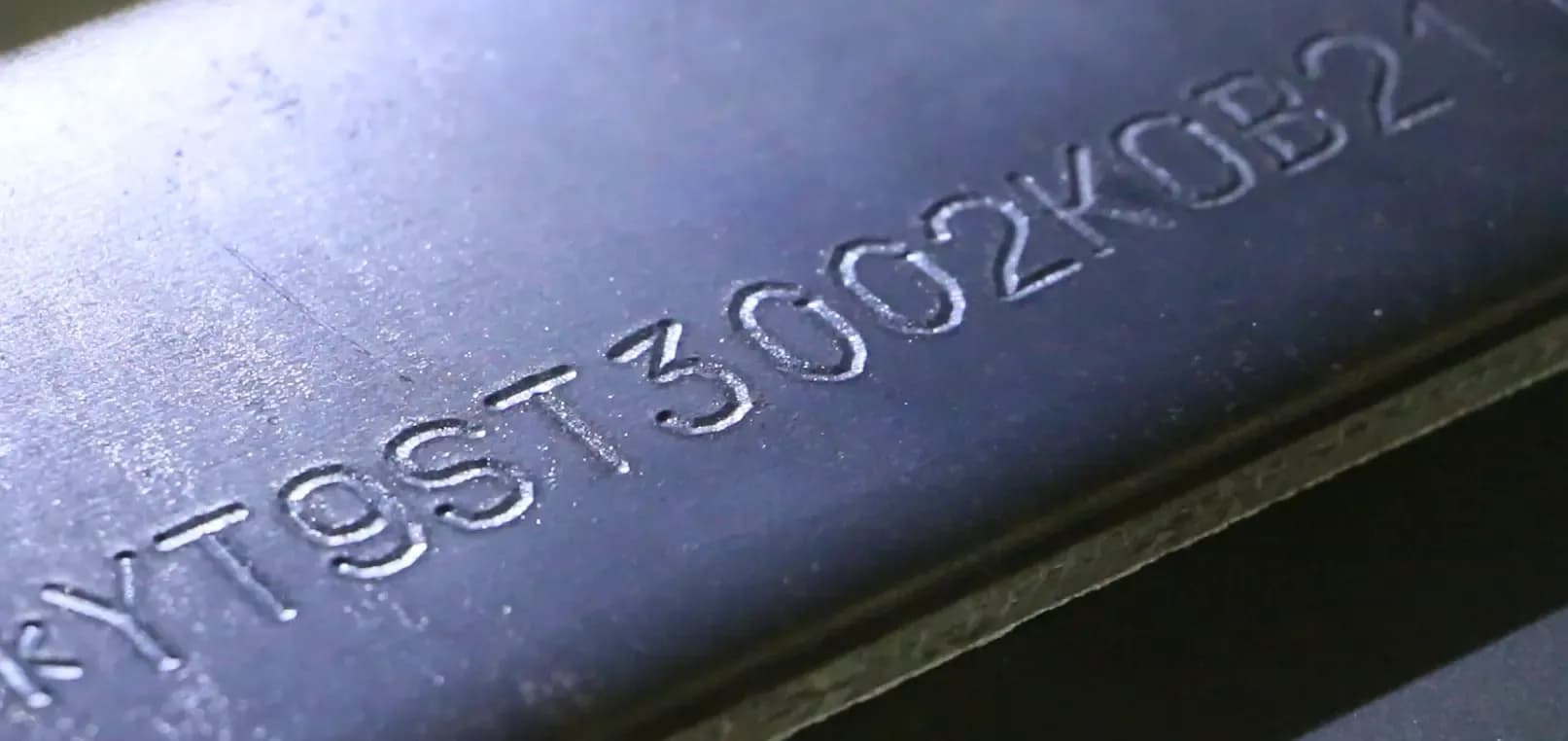
Dot Matrix and 2D DataMatrix Code Marking

Dot Matrix and 2D DataMatrix Code Marking

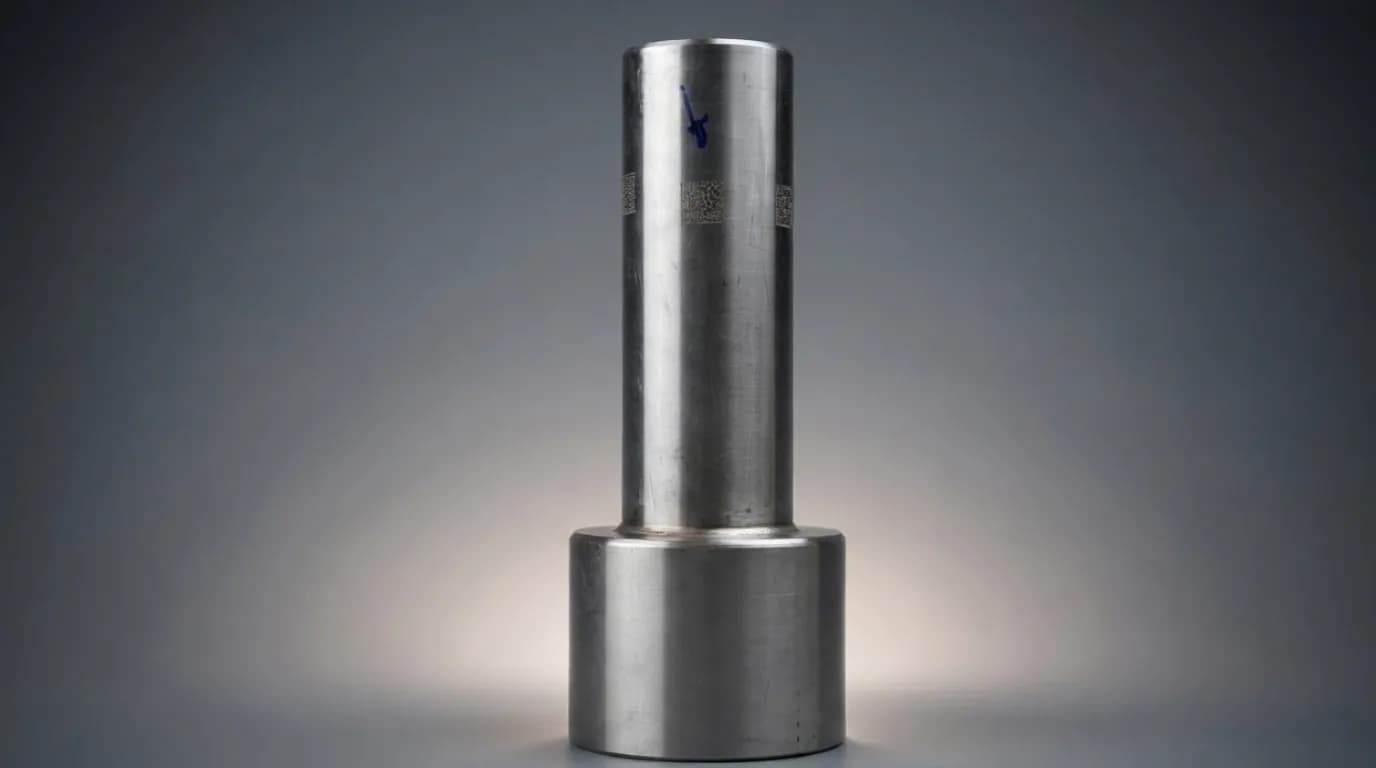
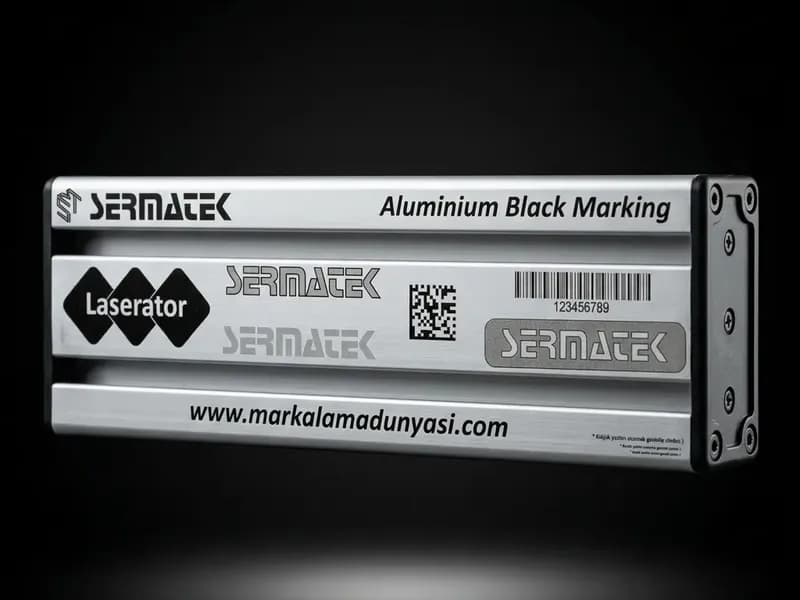
High-contrast Dot Matrix and 2D DataMatrix marking solutions for Industry 4.0 and full traceability.

Explore
Eğimli yüzey üzerine derin markalama çalışması

Irregular Surface Marking

With Dotpeenator™ YT (High Tolerance) series marking pins, you can create smooth markings on surfaces with a certain degree of inclination or variable inclination.

Explore
Generic Tech Bg 2

Logo, SVG Graphic, and SLF (Single Line Font) Marking

Fast, aesthetic, and professional marking with corporate logos, vector graphics, and single-line font technology.

Explore
Boru markalama operasyonu, üstüne boyama işlemi sonucu

Pre-paint marking

Explore
Generic Tech Bg 2

Profile Beam Marking

Explore
Dalgıç pompa uygulaması

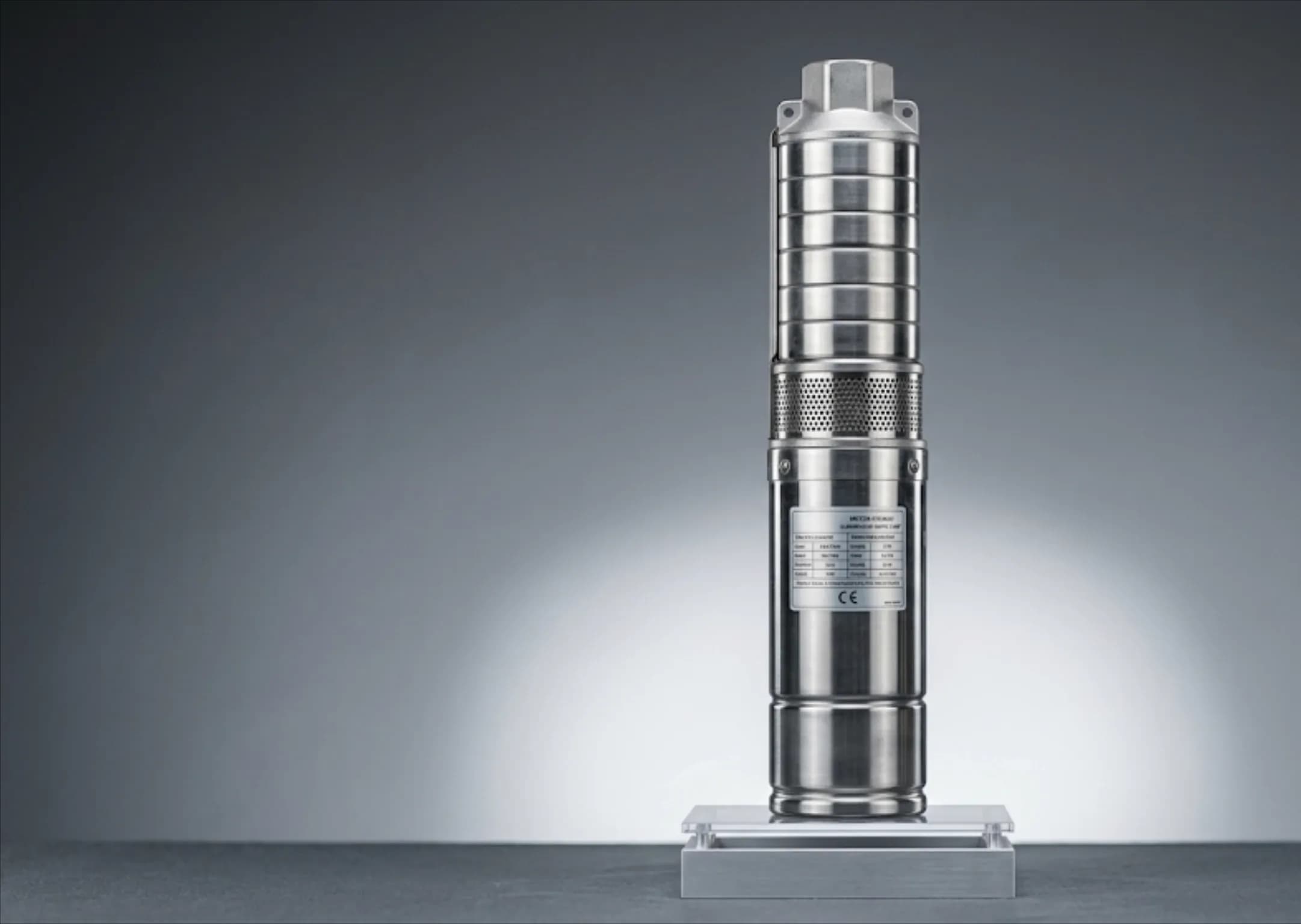
Submersible Pump Marking

The submersible pump industry, which operates in the deepest and most challenging parts of liquids, and Dotpeenator™ dot-peen marking machines, which leave permanent marks on metal, form a perfect pairing.

Explore
Variable Data, Shift Code, and Serial Number Marking

Variable Data, Shift Code, and Serial Number Marking

Dynamic marking of automatically incrementing serial numbers, real-time date/time, and shift codes on surfaces.

Explore

FAQ

What is dot peen marking and how does it work?

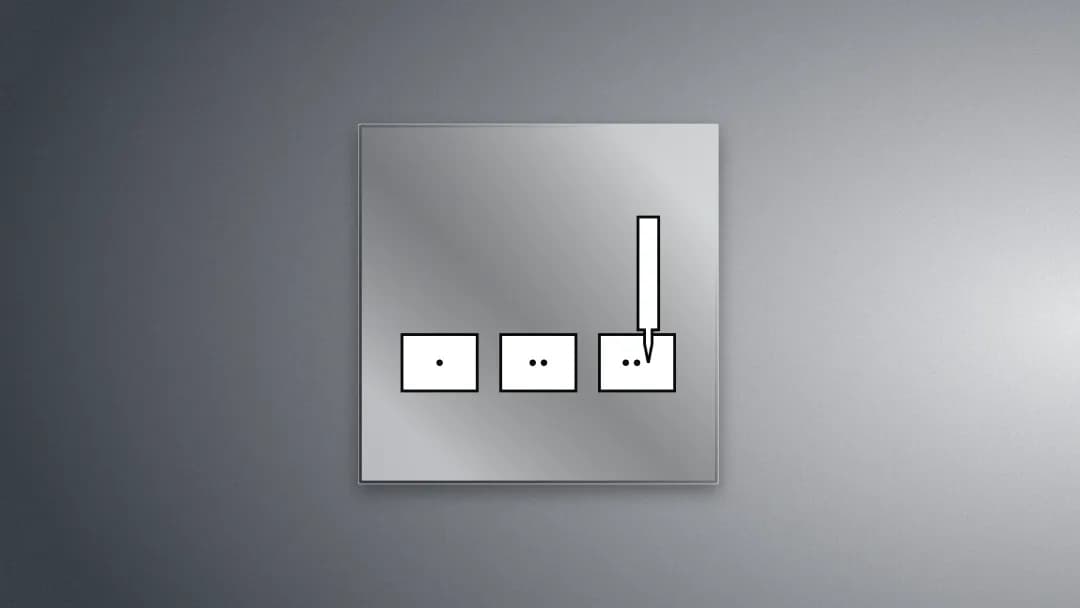
Dot peen marking is a permanent marking method in which a hardened pin strikes a metal or hard plastic surface in a controlled pattern of dots. Driven pneumatically or electrically, the pin engraves text, logos, serial numbers, barcodes, or 2D Data Matrix codes directly into the part. Because the process adds no heat, it leaves the material's structure unaffected — the main reason it's preferred for precision and safety-critical parts.

What's the difference between dot-peen marking and laser marking?

Dot-peen marking uses a physical pin to leave deep, tactile marks you can feel by hand, while laser marking alters the surface thermally to produce shallower but higher-resolution marks. Dot-peen excels in heavy industry, casting, and outdoor environments where durability matters most, while laser marking suits fine detail and high-speed, high-volume production lines. The right choice depends on material, environment, and production speed.

What materials and surfaces can be marked?

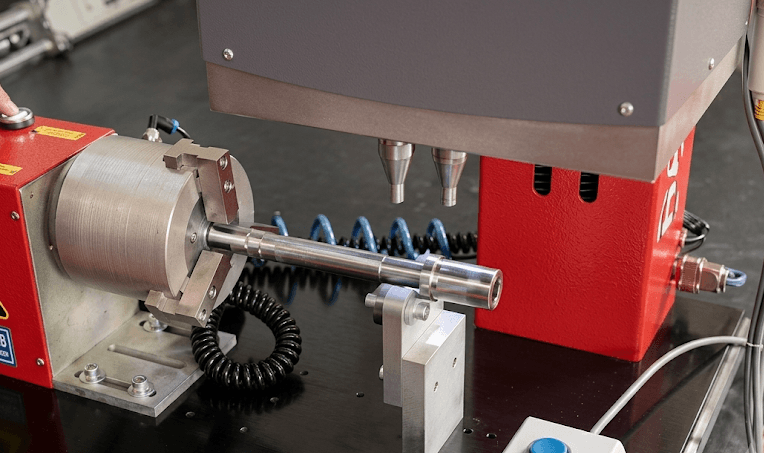
Dot-peen marking machines work across a wide range of materials, including steel, aluminum, stainless steel, brass, copper, cast parts, and many hard plastics. Flat, cylindrical, angled, or recessed surfaces can all be marked with the right fixture and rotary-axis setup. Material hardness and surface geometry determine the pin type and marking parameters used.

Is dot-peen marking permanent, and resistant to wear and corrosion?

Yes. Unlike ink or label-based methods, dot-peen marking is physically engraved into the part's surface, giving it high resistance to abrasion, oil, chemical cleaning, heat, and outdoor exposure. This is the main reason it's favored in the automotive, aerospace, defense, and energy sectors, where a serial number or traceability code needs to stay legible for the part's entire service life.

What's the difference between dot-peen marking and laser marking?

Dot-peen marking uses a physical pin to leave deep, tactile marks you can feel by hand, while laser marking alters the surface thermally to produce shallower but higher-resolution marks. Dot-peen excels in heavy industry, casting, and outdoor environments where durability matters most, while laser marking suits fine detail and high-speed, high-volume production lines. The right choice depends on material, environment, and production speed.

Can marking machines be integrated into a production line (OEM)?

Yes. Our control units and pin-cartridge assemblies are designed to be integrated as OEM components into existing production lines or custom machinery. With PLC integration, PC software, or standalone panel control, we offer a solution matched to your level of automation.

Are portable marking machines suitable for field use?

Yes, our portable and handheld dot-peen marking machines are built for field applications, assembly lines, and maintenance operations where large or fixed parts can't be moved. Their lightweight construction and pneumatic or electric drive options make fast, reliable marking possible outside the workshop.