Color Laser Marking: How Color Forms on Metal with a MOPA Fiber Laser
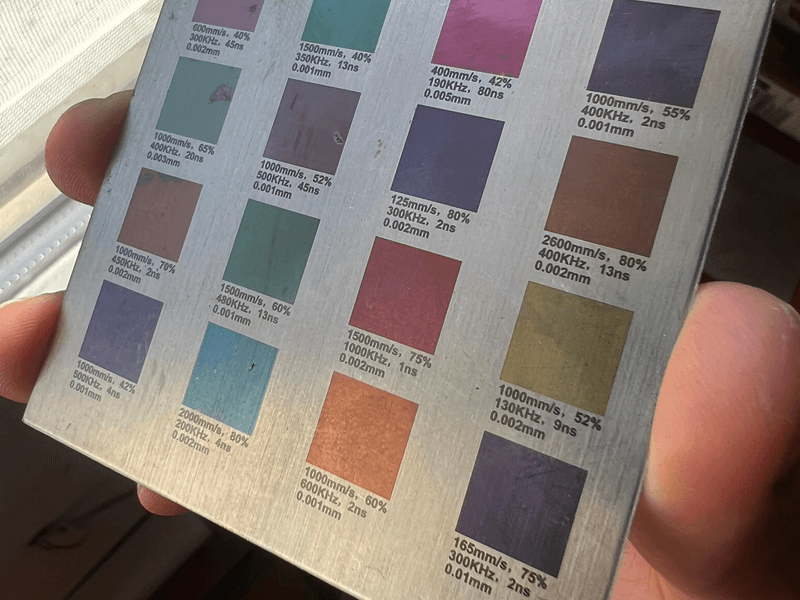
In color laser marking, color comes from light, not paint. We explain how color forms on metal using a MOPA fiber laser, supported by optical diagrams and our own test results.
Insights, guides and application stories on industrial marking and laser cutting.

In color laser marking, color comes from light, not paint. We explain how color forms on metal using a MOPA fiber laser, supported by optical diagrams and our own test results.

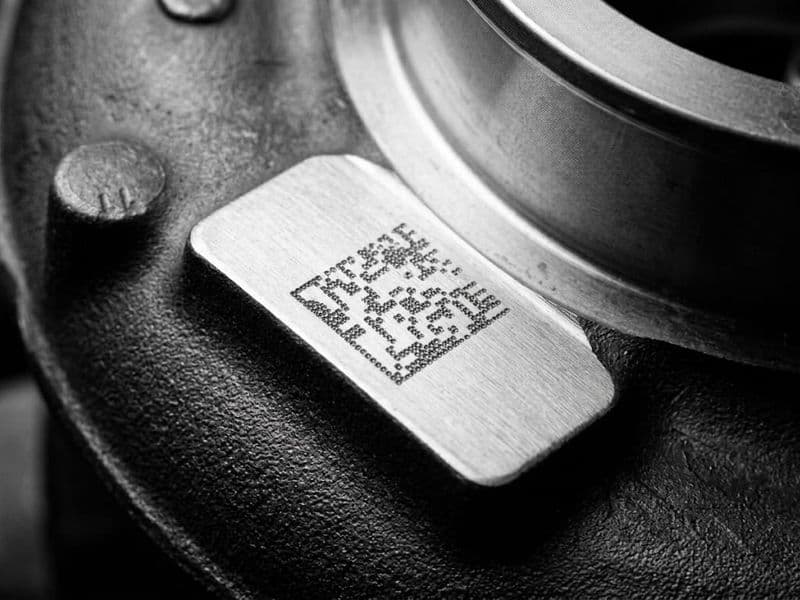
Your DataMatrix code looks fine to the eye, but the scanner reads it intermittently. This is a common issue in dot-peen marking, and the cause is rarely the machine itself—it is usually dot size, dot spacing, part fixturing, or scanning illumination. In this guide, we break down the root causes, aerospace AS9132 criteria, and ISO/IEC 29158 verification for DPM codes.

What is a DataMatrix code, dot-peen marking, direct part marking, DPM, fiber laser marking, permanent part traceability, ISO 29158, GS1 DataMatrix

You can mark the exact same DataMatrix code using five different technologies, but not all five will deliver the same lifespan, durability, or readability on a given part. In this article, we examine the physics, strengths, and limitations of each DPM marking method through the eyes of a quality control engineer.

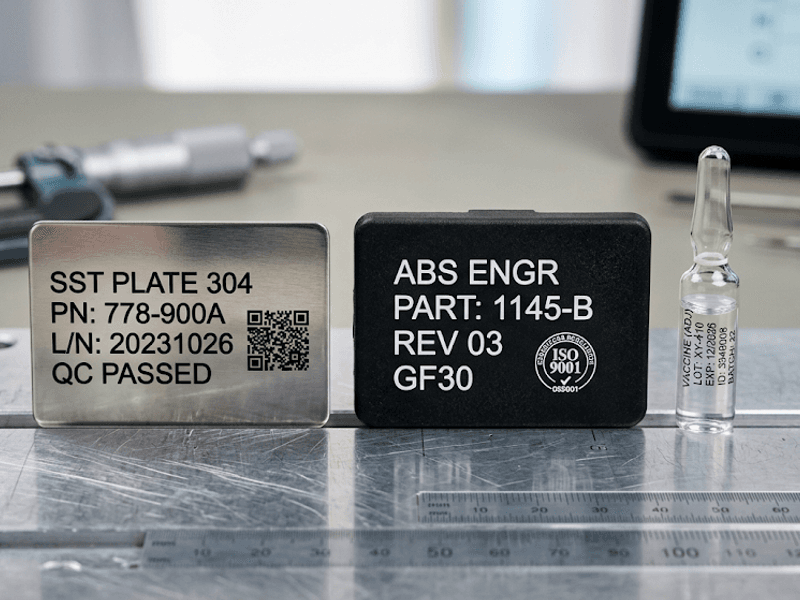
What are the industrial coding techniques for plastic, metal, and glass surfaces? Discover fiber laser, UV laser, and dot-peen Dotpeenator permanent marking solutions.

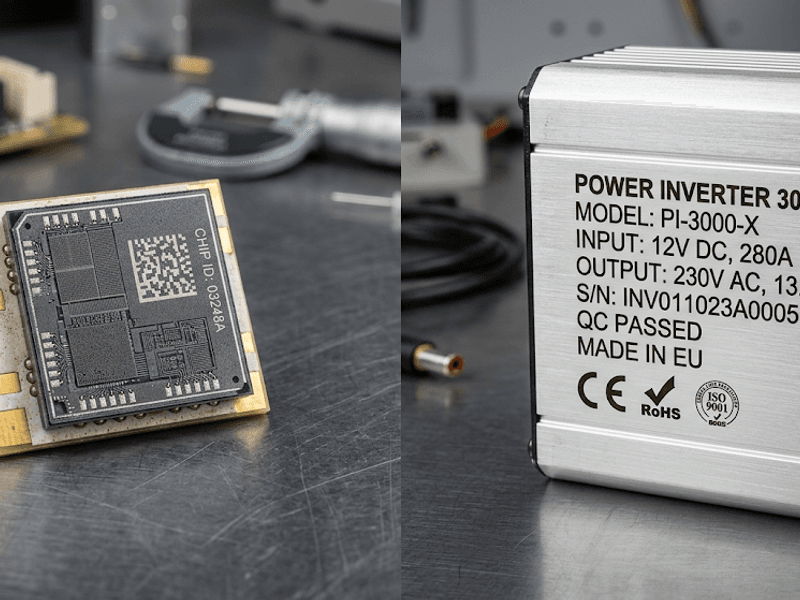
How are barcodes, DataMatrix codes, and serial numbers marked on electronic products? Discover permanent Dotpeenator laser and dot-peen solutions for PCBs, chips, and metal chassis.

The primary goal of smart factories and digitalized production lines is to interconnect all operations, eliminate human error, and monitor production data in real time.

For manufacturers delivering products to global markets, compliance with international regulations and quality management systems is an essential requirement. European Union CE conformity marking, US Food and Drug Administration (FDA) regulations, and ISO standards require parts and product bodies to be equipped with tamper-proof, lifelong readable, and uniquely traceable codes. Unlike chemical labels that fade over time, industrial laser and dot-peen marking systems developed with in-house engineering meet these certification requirements fully.

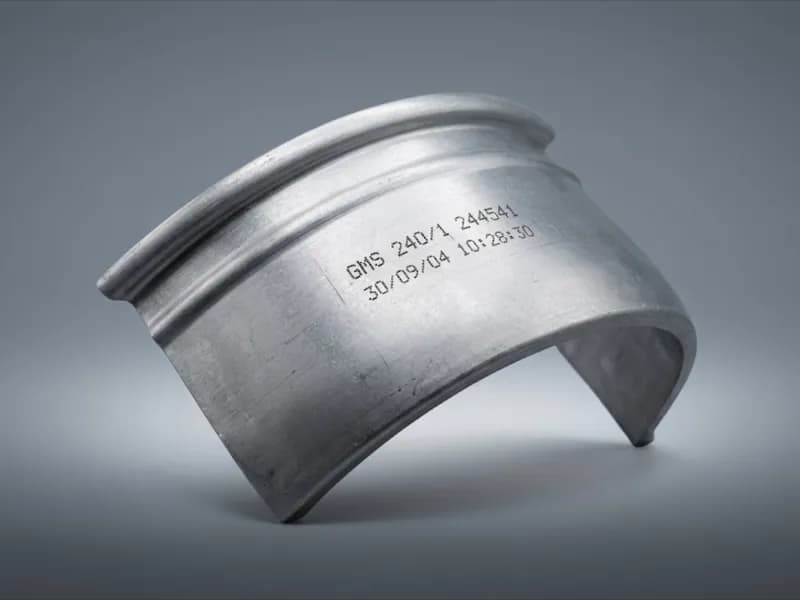
In demanding industrial manufacturing sectors such as heavy industry, automotive, defense, aerospace, iron and steel, and machinery manufacturing, ensuring part traceability is a vital requirement. Dot peen marking is a permanent mechanical marking technology that remains legible despite harsh surface treatments such as extreme temperatures, humidity, chemical contact, sandblasting, hot-dip galvanizing, and electrostatic powder coating that manufactured parts undergo throughout their service life.

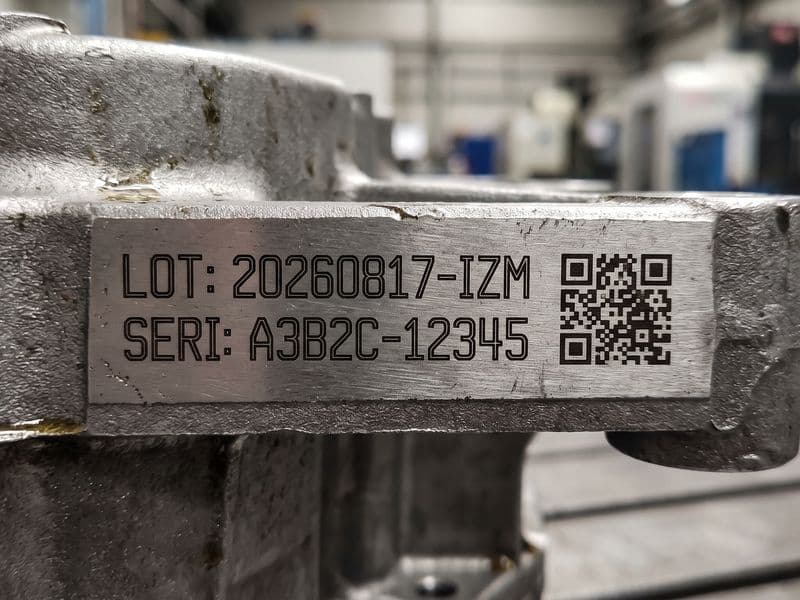
Traceability is the foundation for ensuring quality, safety, and regulatory compliance in modern manufacturing and the global supply chain. The most critical coding used to identify a specific group of products manufactured using the same raw materials, machinery, and time frame during production is the Lot (Batch) Number.