Dotpeenator™ Logo
Aviation

Aviation

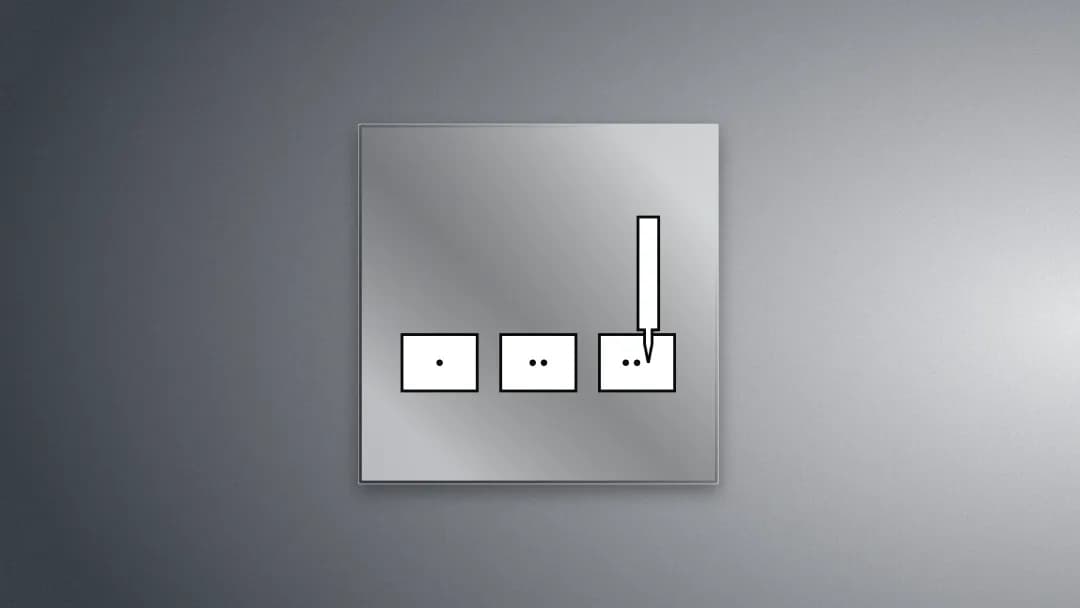
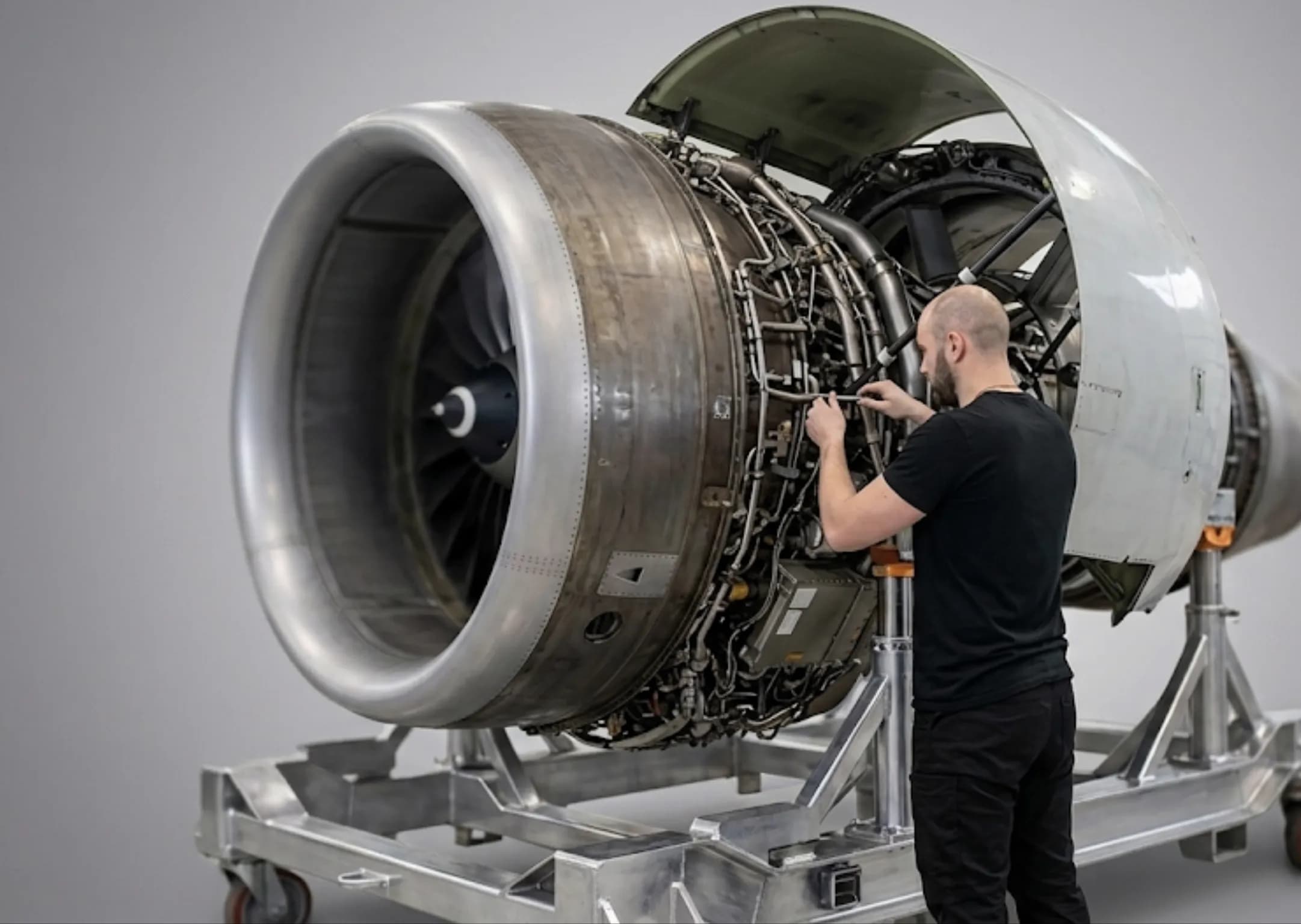
The aerospace industry widely utilizes dot-matrix marking machines for traceability of all critical parts and components to ensure the highest level of flight safety. This technology is preferred for engraving permanent serial numbers and 2D DataMatrix codes onto many sensitive components, from jet engine parts and landing gear to turbine blades and avionics system housings. Designed to aerospace standards, low-stress marking tips perform the process safely without creating microcracks or material fatigue on metal surfaces. As a result, dot-matrix marking provides indelible tracking on aerospace parts exposed to extreme temperatures and vibrations, while offering full compliance with stringent international aviation regulations such as AS9132 and AS9100.

The aerospace industry is one of the sectors with the strictest enforcement of safety standards, quality control, and legal regulations worldwide. Aircraft, helicopter, and rocket parts operating in the sky and space with zero error tolerance must be tracked down to the millimeter, from the raw material stage to the end of their lifecycle. Dot-matrix marking machines, playing a critical role in Direct Part Marking (DPM) processes, offer permanent solutions that fully comply with aviation standards and do not damage the material structure.


Key Use Cases and Traceability

Maintenance cycle (MRO) and authenticity checks of the millions of parts that make up an aircraft are performed using high-resolution 2D DataMatrix codes and serial numbers provided by dot-matrix marking:

  • Turbine Blades and Engine Parts: In jet engines, turbine blades, compressor discs, and shafts, which operate under extremely high speeds, vibrations, and temperatures, have permanent identification markings engraved on them.
  • Landing Gear and Hydraulic Systems: Landing gear components and hydraulic cylinders, which are subjected to tons of load and mechanical stress during landing, are marked using this method.
  • Fuselage Components and Structural Brackets: The titanium and aluminum alloy structural components that form the aircraft's frame are coded during production to prevent confusion on assembly lines.
  • Avionics and Electronics Enclosures: Device information and certification logos are printed on the metal housings of sensitive electronic devices located behind the cockpit and on control panels.

Fully compliant with AS9132 standards

AS9132, one of the strictest standards in the aviation industry, specifies the dot eccentricity, depth, and geometric quality of dot-matrix printed DataMatrix codes. Advanced dot-matrix systems fully meet the high contrast and readability criteria required by this standard.

Superior Performance in Lightweight and High-Quality Alloys

Used frequently in the industry to reduce weight, titanium, aluminum, stainless steel, and special composite surfaces are processed with high precision without compromising the material's strength and corrosion resistance.