Dotpeenator™ Logo

Industries

Explore the industries served by Dotpeenator systems.

Automotive

Automotive

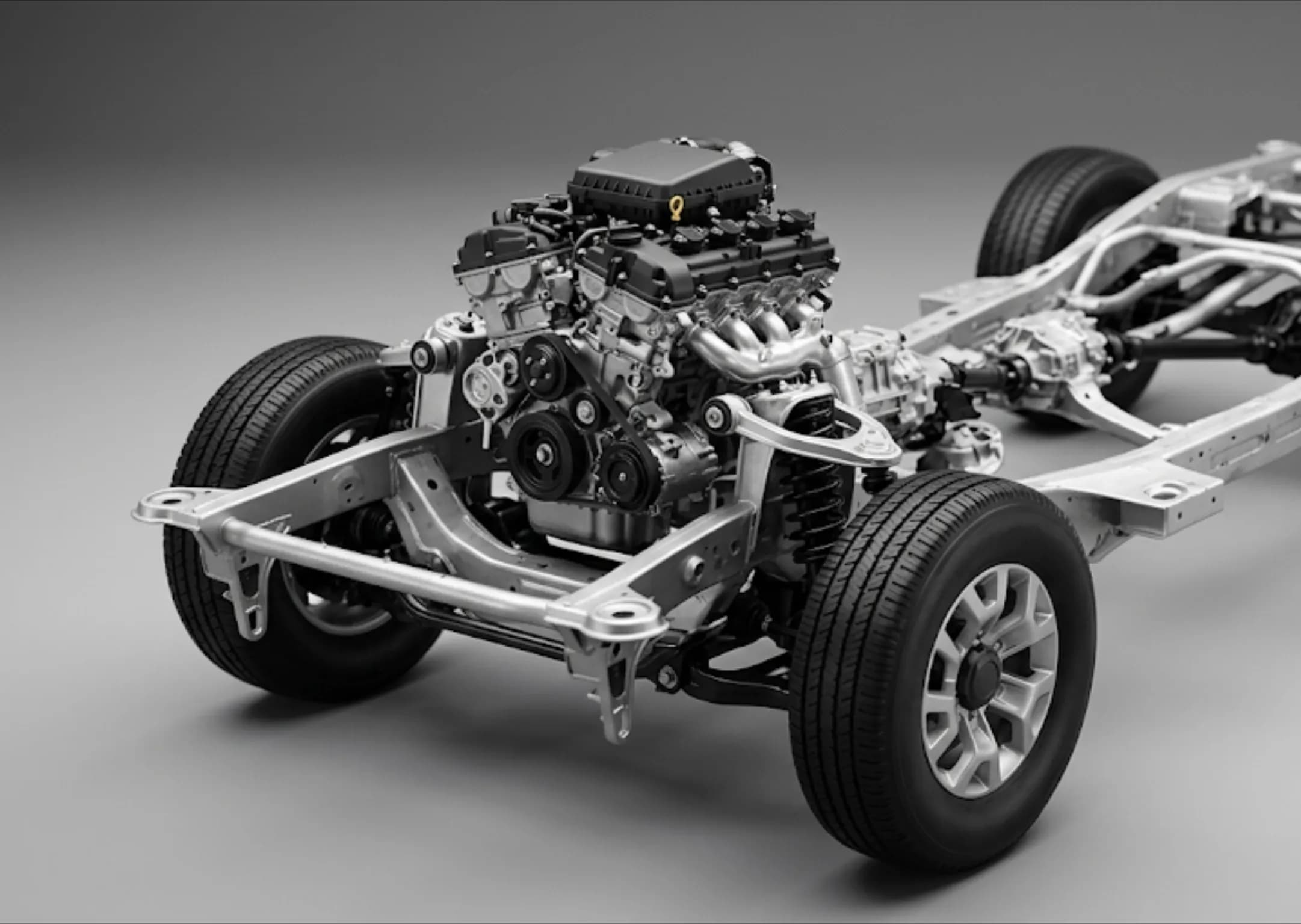
The automotive industry is one of the leading industries that uses dot-matrix marking machines most intensively to ensure high speed, zero-error, and traceable parts on mass production lines. This technology is preferred for engraving indelible identification information and 2D DataMatrix codes onto thousands of vital parts, from vehicle chassis (VIN) and engine blocks to brake discs and drivetrain components. These deep marks, created during production, maintain readability throughout the vehicle's lifecycle despite harsh external factors such as electrophoretic coating, oven painting, lubrication, and challenging road conditions. As a result, dot-matrix marking prevents the use of counterfeit parts and logistical errors, while ensuring automotive manufacturers operate in full compliance with global quality standards and legal regulations.

Explore
Aviation

Aviation

The aerospace industry widely utilizes dot-matrix marking machines for traceability of all critical parts and components to ensure the highest level of flight safety. This technology is preferred for engraving permanent serial numbers and 2D DataMatrix codes onto many sensitive components, from jet engine parts and landing gear to turbine blades and avionics system housings. Designed to aerospace standards, low-stress marking tips perform the process safely without creating microcracks or material fatigue on metal surfaces. As a result, dot-matrix marking provides indelible tracking on aerospace parts exposed to extreme temperatures and vibrations, while offering full compliance with stringent international aviation regulations such as AS9132 and AS9100.

Explore
Defense Industry

Defense Industry

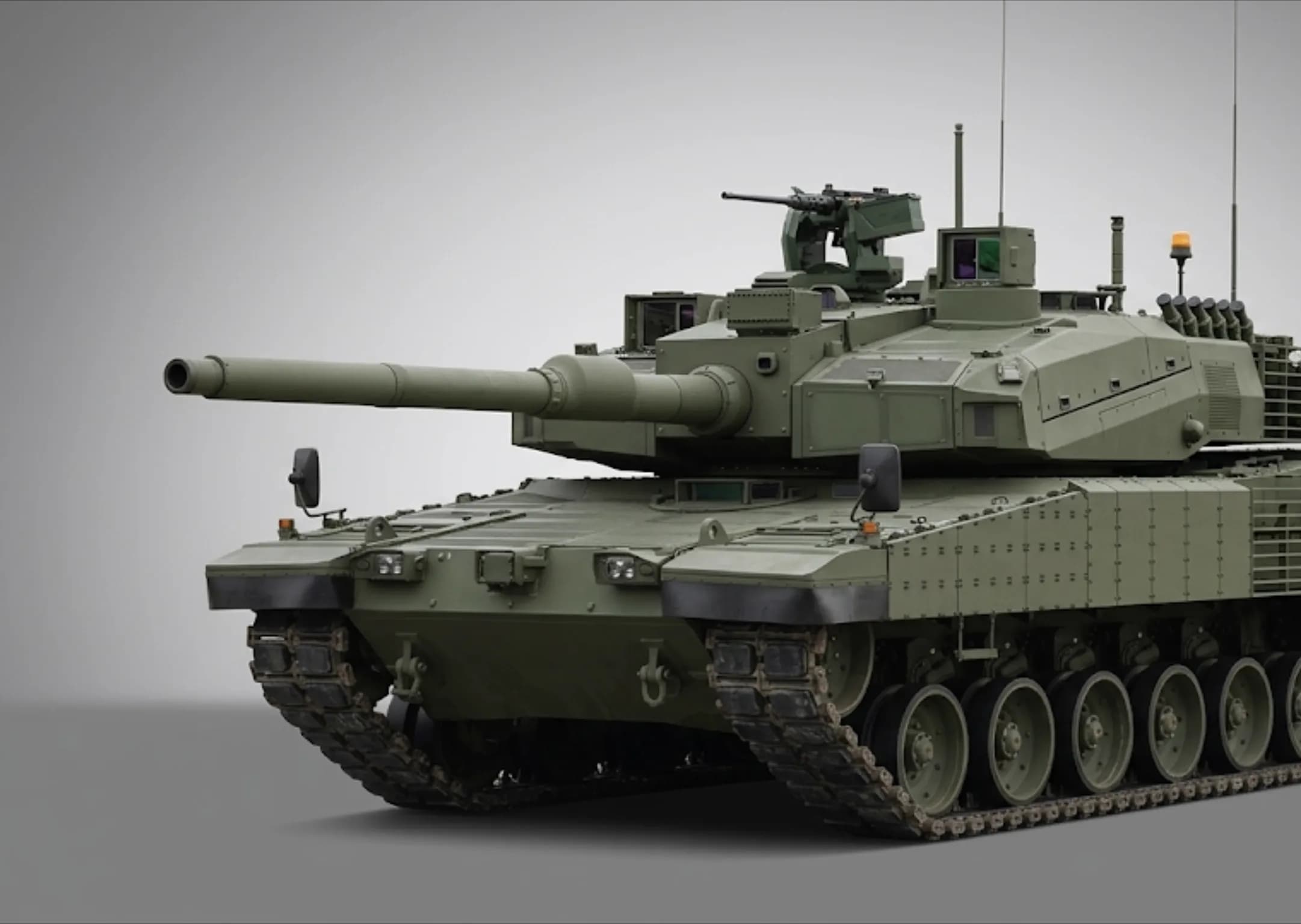
The defense industry utilizes dot-impact marking machines for the traceability of all ammunition and equipment due to critical factors such as the success of military operations, national security, and component accuracy. This technology imprints indelible serial numbers, logos, and 2D DataMatrix codes on a wide range of military inventory, from light weapons to heavily armored vehicle parts, missile bodies, and UAV components. The system, which creates deep marks on the surface using a physical impact method, ensures that the markings remain legible for life, despite extreme conditions such as mud, high heat, chemicals, and friction in the battlefield. As a result, dot-impact marking prevents the use of counterfeit parts, safeguarding military logistics, while offering full compliance with international military standards, primarily MIL-STD-130.

Explore

Oil, Energy

The oil and energy sector heavily utilizes dot-matrix marking technology for the secure tracking of equipment exposed to high pressure, corrosion, and extreme weather conditions. This method is used to permanently engrave part numbers, alloy information, and traceability codes onto critical components such as drill pipes, flanges, valves, and wellhead equipment. The low-stress impact structure offered by dot-matrix marking does not create microcracks in metals under high pressure and maintains readability even after heavy field painting. As a result, this technology optimizes asset management in challenging field conditions while fully complying with international safety and quality standards such as API and ATEX.

Explore
Power Electronics

Power Electronics

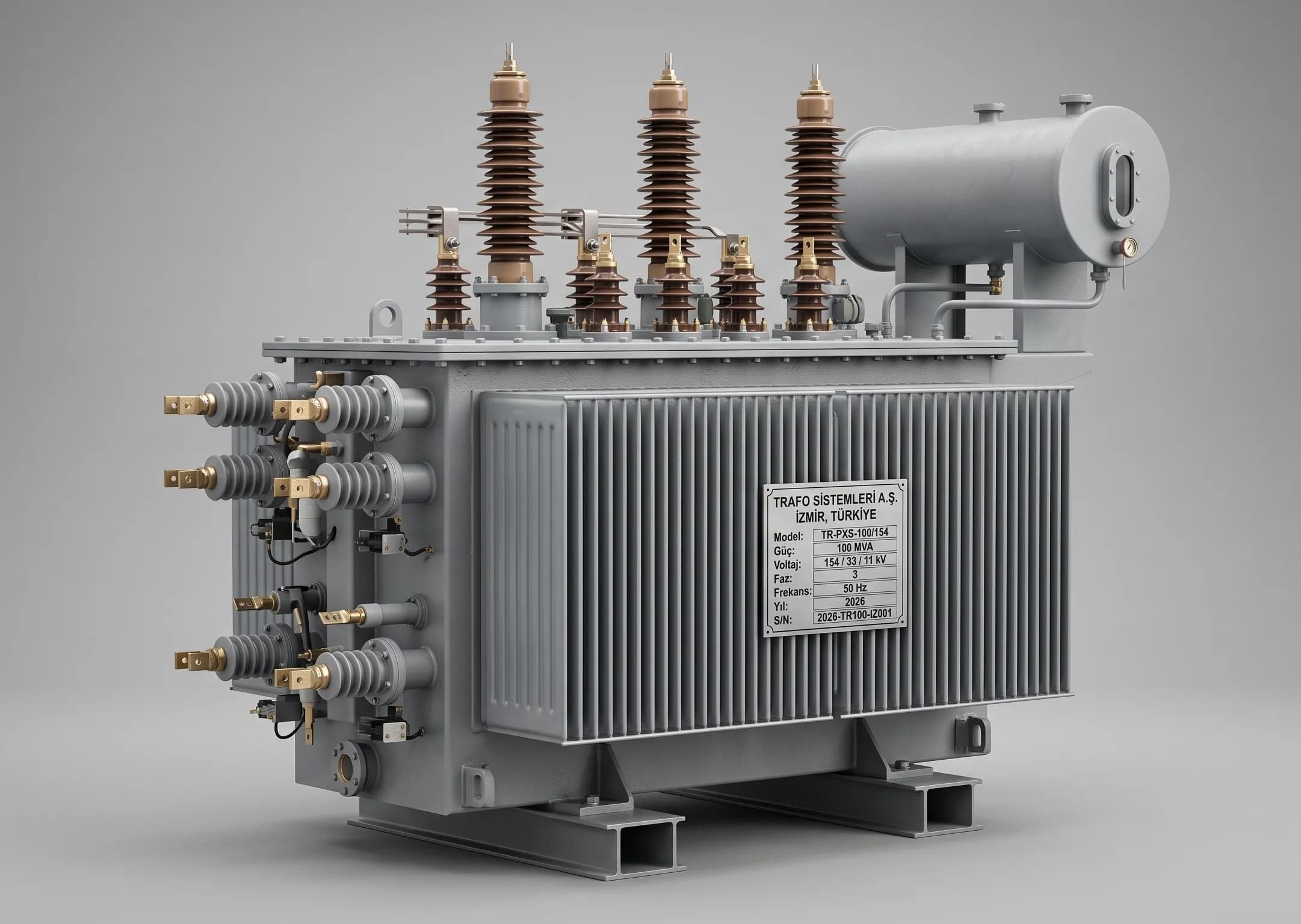
The electrical and power electronics sector heavily utilizes dot-matrix marking technology, particularly in infrastructure components requiring high durability, such as power electronics, transformers, generators, and heavy-duty industrial distribution panels. This technology is preferred for engraving indelible technical data, schematics, and 2D DataMatrix codes onto thick copper busbars, cast electric motor housings, and metal construction site cabinets. While laser systems are prominent for sensitive circuit boards (PCBs), the deep marks offered by the dot-matrix method provide unparalleled permanence on heavy electrical equipment exposed to outdoor conditions and high current heat. Consequently, this method facilitates the secure tracking of electrical assets in challenging industrial environments while offering full compliance with international electrical safety and traceability standards.

Explore
Precious Metals

Precious Metals

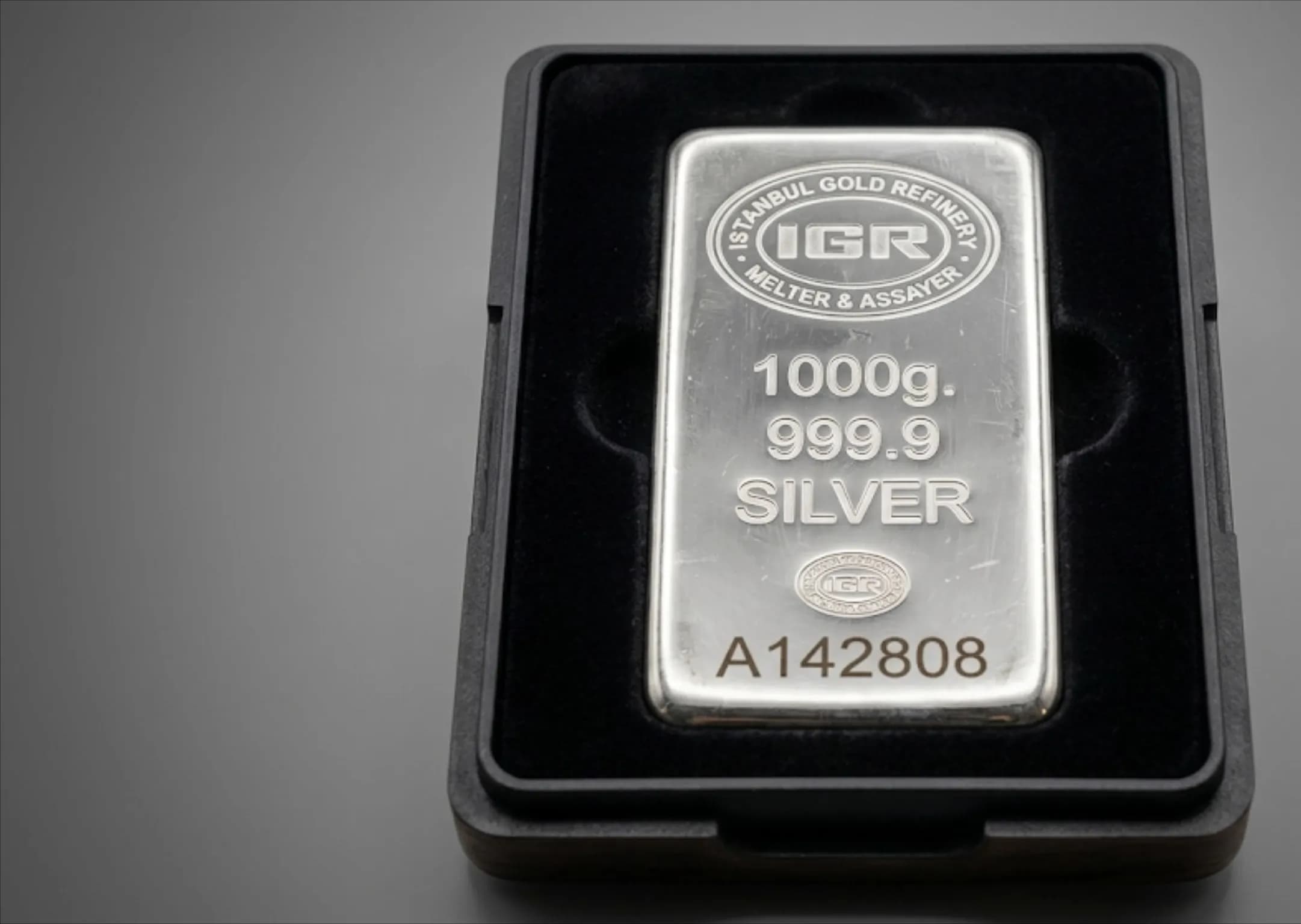
The precious metals and refining industry actively uses dot-matrix marking machines to ensure the security and traceability of high-value gold and silver bullion. This technology permanently imprints critical data onto the bullion, such as weight, purity level (millem), refinery logo, and a QR code enabling digital tracking. The dot-matrix method marks by shaping the metal without removing material from the surface (without chip removal), thus preserving the precise milligram-level weight of precious metals. Consequently, this system minimizes the risk of counterfeiting and enhances product safety, while facilitating full compliance with the stringent certification standards of internationally respected organizations such as the LBMA.

Explore
Shipping industry

Shipping industry

The shipbuilding industry widely utilizes dot-matrix marking machines to ensure durable and permanent part traceability against harsh marine conditions. This technology is used to engrave indelible serial numbers, logos, and QR codes onto many critical components, from ship plating and engine parts to valves and safety equipment. This deep marking process, performed using a physical impact method, maintains its readability even after rigorous shipyard processes such as rust removal, sandblasting, and intensive painting. Consequently, dot-matrix marking facilitates compliance with international maritime standards while making inventory management and maintenance processes in shipyards safer and more effective.

Explore