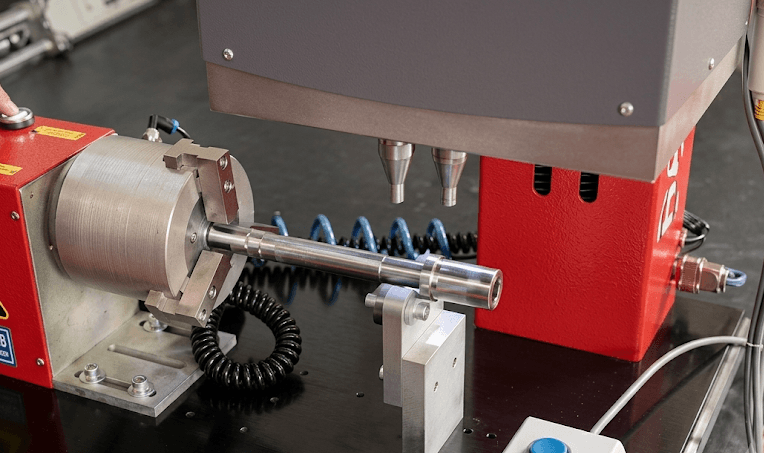
The defense industry is one of the world's most prestigious and strategic sectors, built on the principles of national security, operational success, and zero defects. Every component of military equipment operating under the harshest climatic conditions of the battlefield, subjected to high shock, vibration, and wear, must be traceable for its entire lifespan. Loss of parts, counterfeiting (use of counterfeit products), or logistical disruptions can directly impact the fate of military operations. Dot-matrix marking machines are the most reliable solution for meeting the high-security, permanent, and non-replicable direct part marking (DPM) needs of the defense industry.
Key Use Cases and Traceability
From infantry rifles to unmanned aerial vehicles, from ammunition to radar systems, thousands of items in the military inventory are recorded using pinpoint marking:
- Light and Heavy Weapons Manufacturing: Weapons such as pistols, rifles, machine guns, and mortars are legally required to have unique serial numbers, production years, and manufacturer logos engraved on their bodies, barrels, and mechanisms.
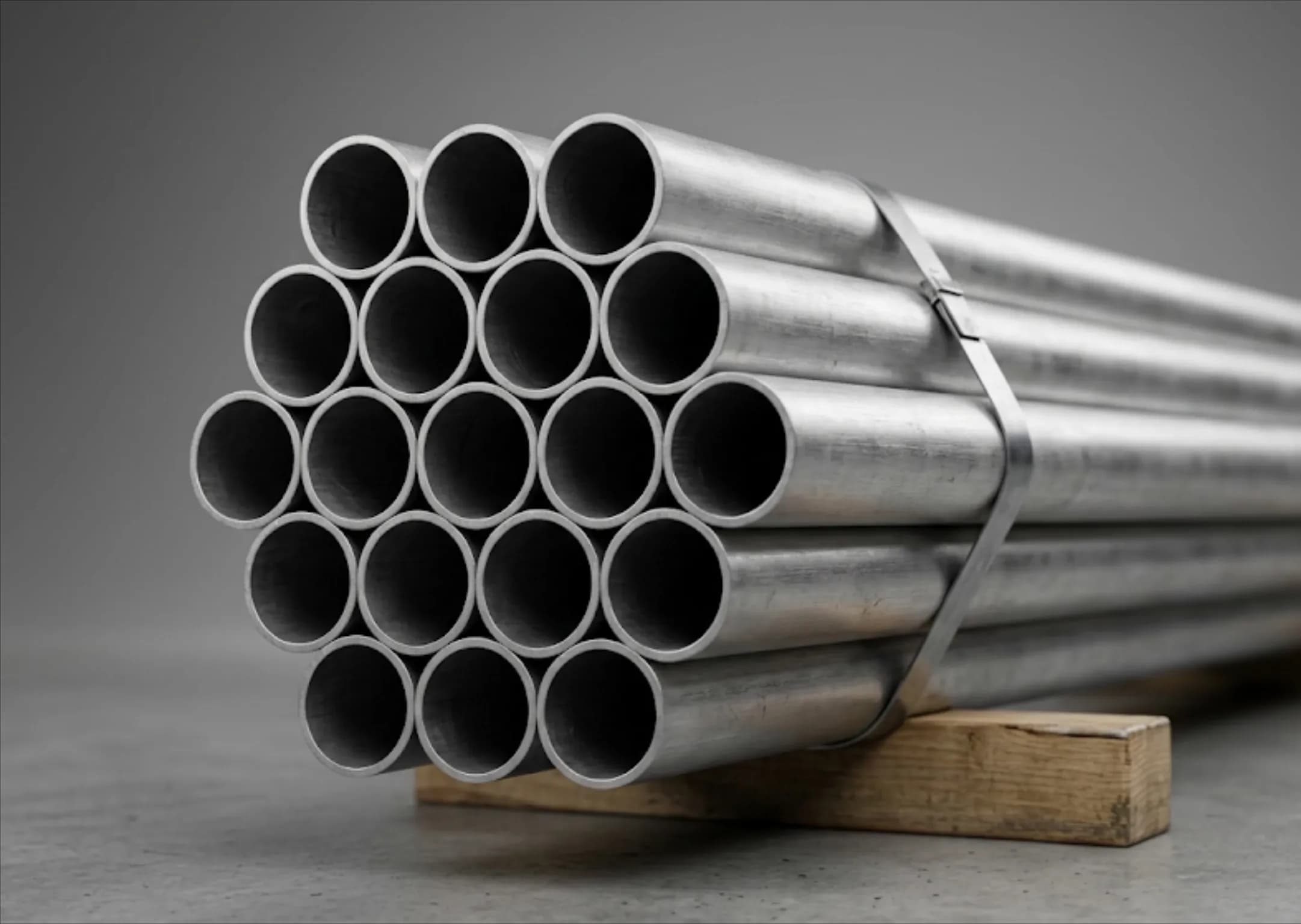
- Ammunition and Rocket Casings: Batch numbers, explosive type codes, and traceability data are engraved onto the outer steel casings of artillery shells, rockets, missiles, and smart munitions.
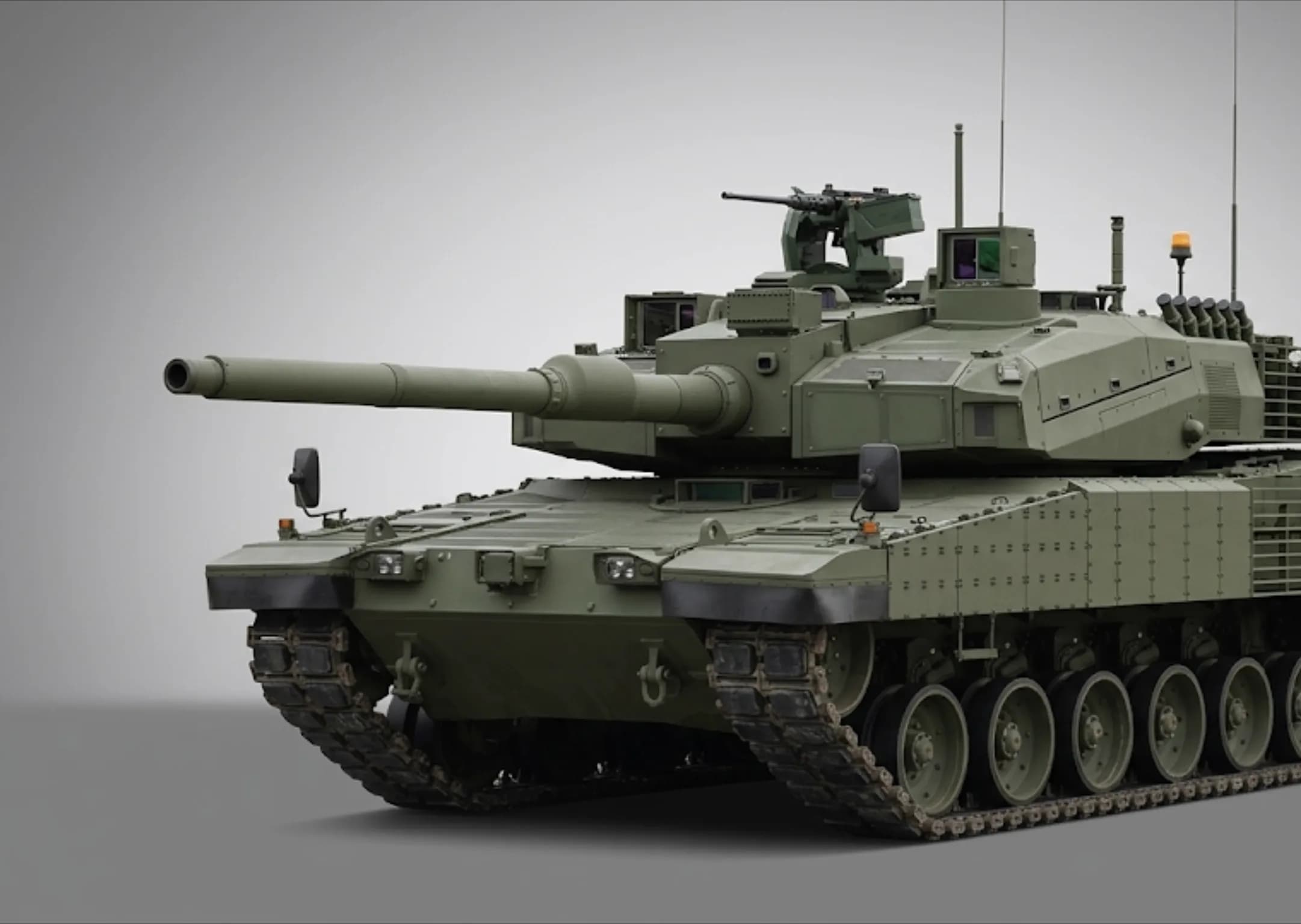
- Military Land Vehicles and Armored Structures: The chassis, engine blocks, and heavy armor plates of tanks, armored personnel carriers (APCs), and tactical wheeled vehicles are permanently coded during the manufacturing process.
- UAVs, UCAVs and Avionics Systems: Part codes are engraved on critical carbon fiber or aluminum alloy structural components of unmanned aerial vehicles and on the metal casings of electronic warfare (EW) devices.