
Power Electronics
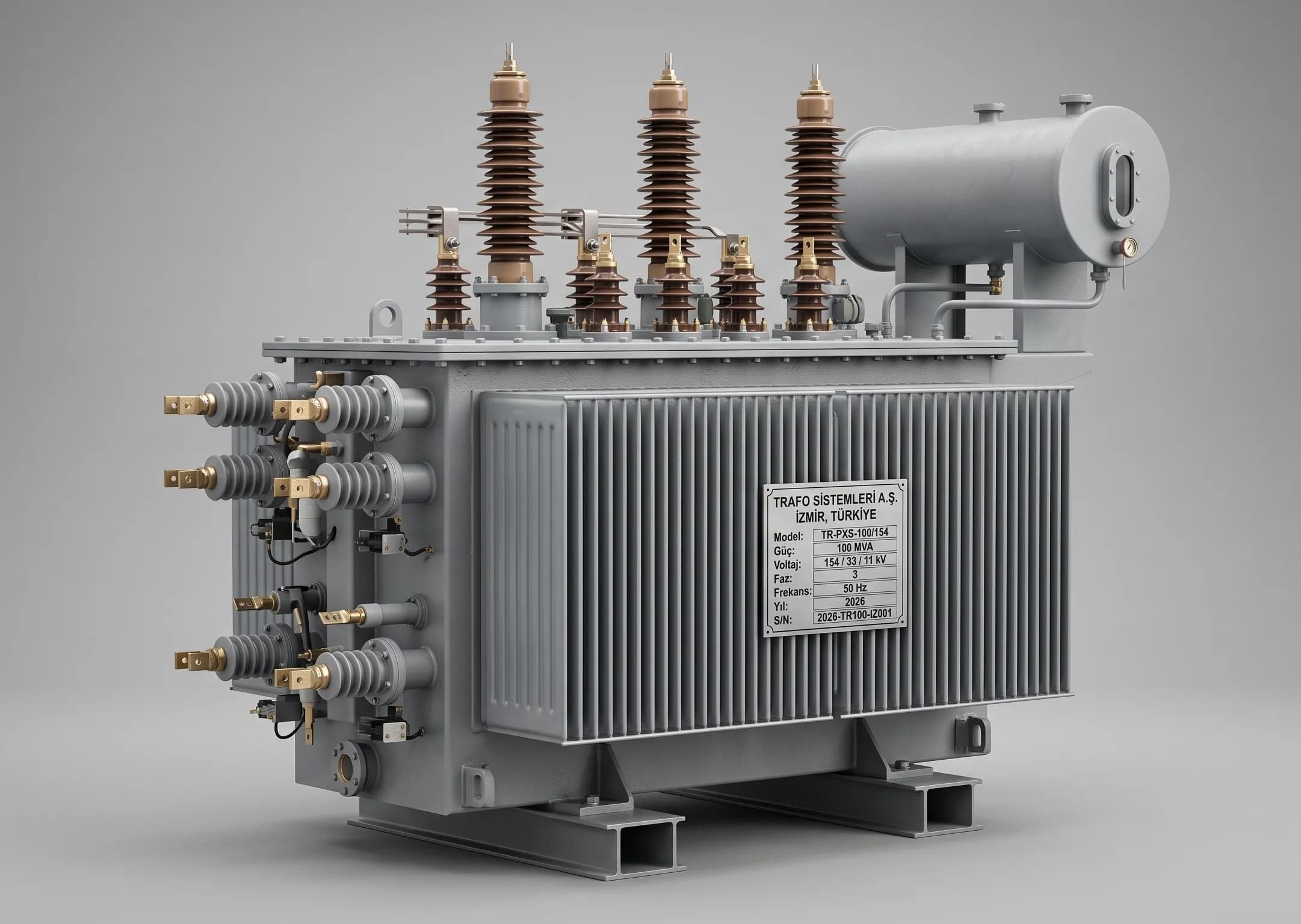
The electrical and power electronics sector heavily utilizes dot-matrix marking technology, particularly in infrastructure components requiring high durability, such as power electronics, transformers, generators, and heavy-duty industrial distribution panels. This technology is preferred for engraving indelible technical data, schematics, and 2D DataMatrix codes onto thick copper busbars, cast electric motor housings, and metal construction site cabinets. While laser systems are prominent for sensitive circuit boards (PCBs), the deep marks offered by the dot-matrix method provide unparalleled permanence on heavy electrical equipment exposed to outdoor conditions and high current heat. Consequently, this method facilitates the secure tracking of electrical assets in challenging industrial environments while offering full compliance with international electrical safety and traceability standards.
Dot Matrix Marking Technology in the Electrical and Power Electronics Industry
Electrical distribution, energy transmission, and industrial automation systems operate under high voltage, overheating, outdoor conditions, and intense electromagnetic fields. The life cycles of switchgear, panels, and transformers used in this dynamic ecosystem can extend to decades. The erasure of technical data (voltage, amperage, phase information) on electrical components exposed to high currents and environmental conditions for such long periods can lead to fatal accidents. Dot-matrix marking machines are one of the fundamental engineering solutions that provide this vital, permanent, and indelible technical identification for electrical infrastructure components.
Key Use Cases and Traceability
In the production of electrical and power electronics, part traceability for safety and error-free assembly is achieved using dot-matrix systems in the following areas:
- Electrical Panels and Metal Enclosures: Serial numbers, IP (protection) classes, and manufacturer data are applied to the metal casings of indoor and outdoor electrical panels and distribution boxes used in factories or construction sites while they are still in the sheet metal stage.
- Copper and Aluminum Busbars: Thick copper or aluminum busbar systems carrying high current are permanently printed with connection codes and current capacities, greatly facilitating installation.
- Transformer and Power Supply Housings: The cast housings of the massive transformers that power our neighborhoods or factories, as well as the chassis of heavy-duty industrial uninterruptible power supplies (UPS), are marked using this method.
- Electric Motors and Generators: In industry, the stator/rotor outer casings of electric motors and generators, which support production, are deeply engraved with information such as motor speed, power (kW/HP), and model.
Resistance to High Current Heating
Electrical busbars and motor housings get extremely hot during operation. At these high temperatures, where labels melt and ink evaporates, the dot-matrix markings embedded in the metal's own texture never deform.
Electrical Safety and "Stress-Free" Construction
The mechanical structure of parts operating under high voltage must not be damaged. The rounded tips of dot-matrix marking machines create micro-pits on the metal surface instead of sharp lines, performing "voltage-free" marking and avoiding the creation of sharp edges that could cause electrical discharges (arcs).
Outdoor and Corrosion Resistance
Electrical distribution boxes located along roadsides or at transformer substations are directly exposed to rain, snow, and UV rays. Dot-matrix marking ensures that technical data remains readable for a lifetime, maintaining its depth even under protective galvanizing or thick layers of powder coating on the panels.
Cost and Operational Ease
Large transformers or heavy electric motors are difficult to move. Thanks to portable, battery-powered dot-matrix labeling devices, operators can go to the part's location on the assembly site or in the warehouse and apply permanent labeling in seconds.