
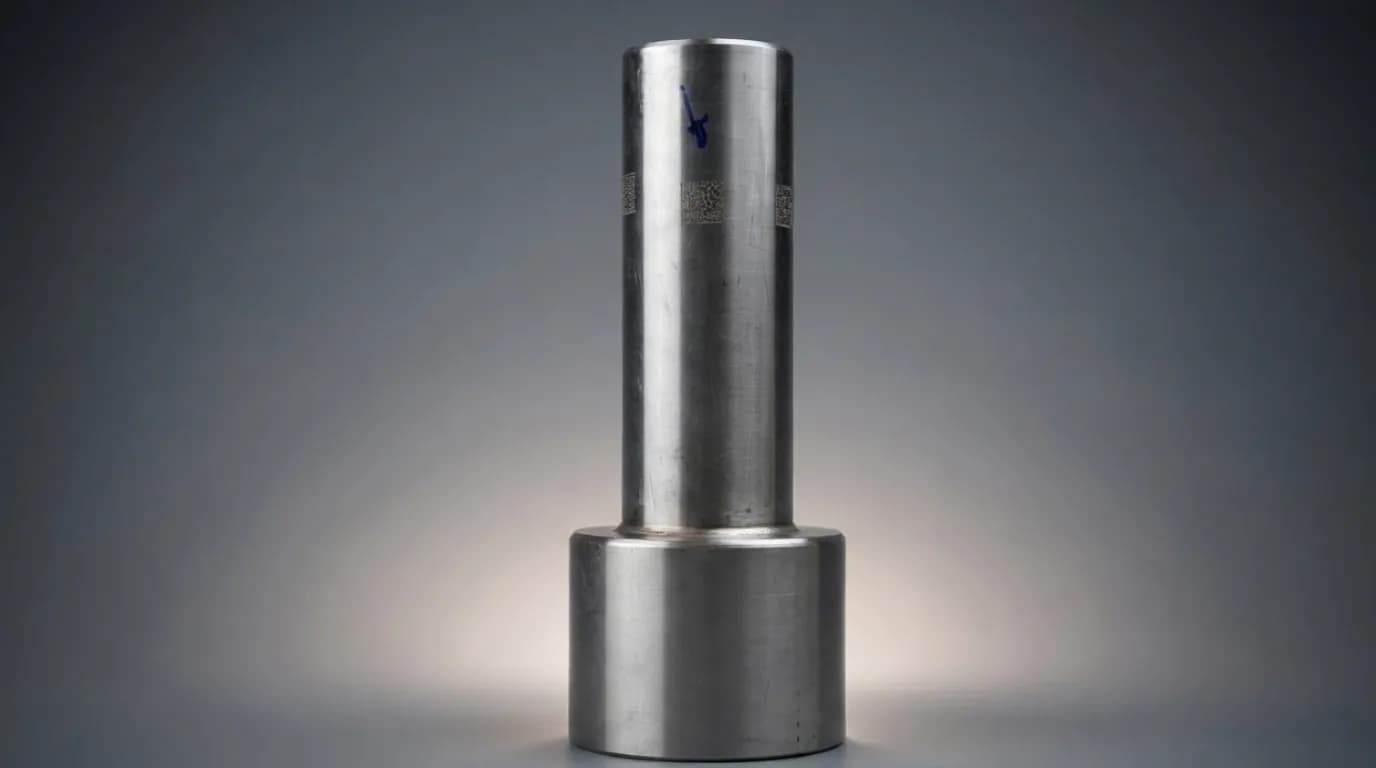
DataMatrix Marking on Automotive Parts
DataMatrix dot-matrix marking on the curved surface of a cylindrical automotive part; readability verified through testing with different code sizes and a standard mobile phone application.
Explore
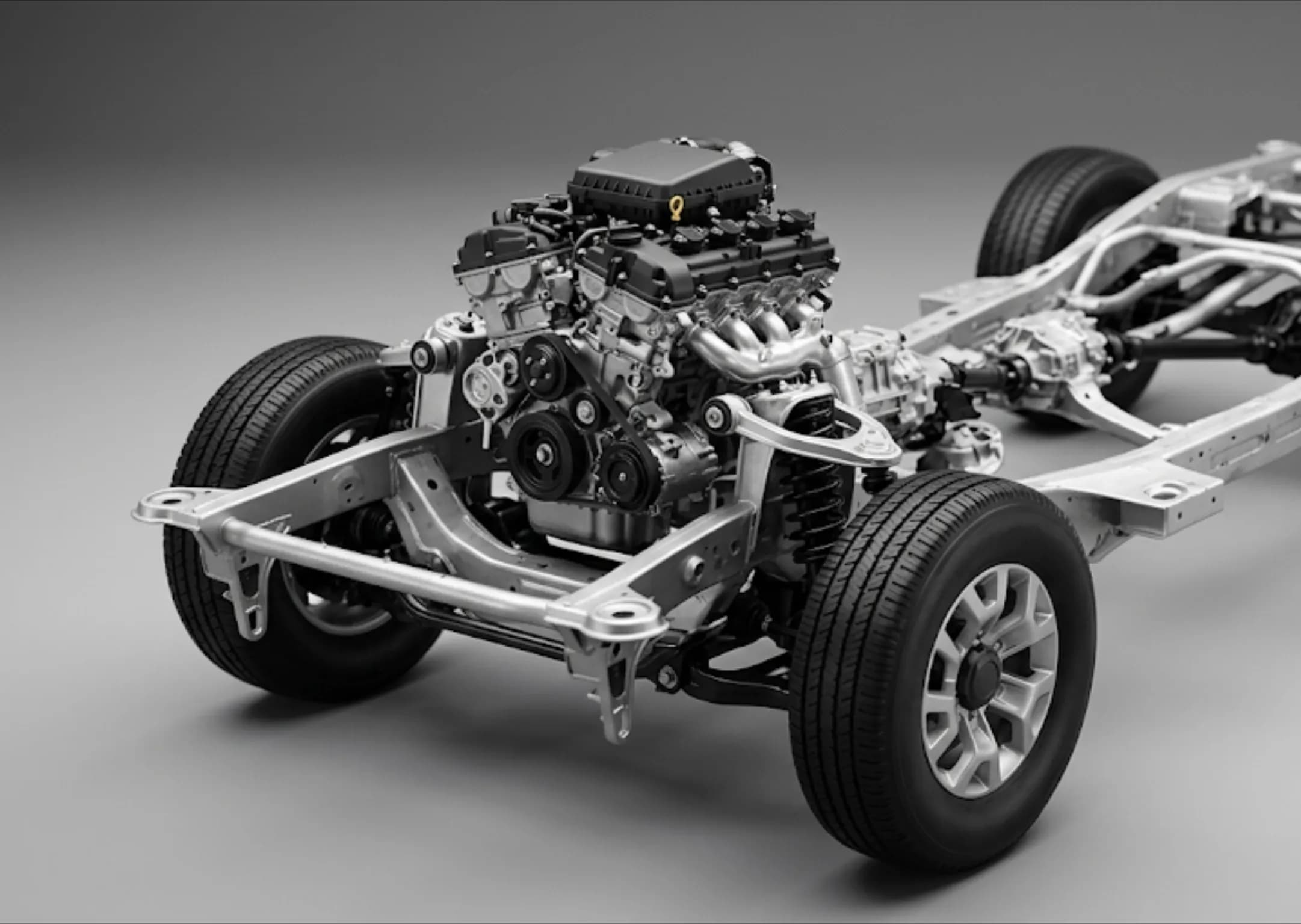
The automotive industry is one of the leading industries that uses dot-matrix marking machines most intensively to ensure high speed, zero-error, and traceable parts on mass production lines. This technology is preferred for engraving indelible identification information and 2D DataMatrix codes onto thousands of vital parts, from vehicle chassis (VIN) and engine blocks to brake discs and drivetrain components. These deep marks, created during production, maintain readability throughout the vehicle's lifecycle despite harsh external factors such as electrophoretic coating, oven painting, lubrication, and challenging road conditions. As a result, dot-matrix marking prevents the use of counterfeit parts and logistical errors, while ensuring automotive manufacturers operate in full compliance with global quality standards and legal regulations.
The automotive industry is one of the most complex sectors in the world in terms of mass production, automation, and supply chain management. In massive factories where thousands of vehicles roll off the assembly line daily, the flawless assembly, quality control, and global tracking of each part are of vital importance. In the event of a technical malfunction, the rapid identification and recall of faulty batches is directly related to brand reputation and legal responsibilities. Dot-matrix marking machines seamlessly adapt to the ultra-high speeds and robotic integrations of automotive production lines, giving parts an indelible "digital identity" for life.
The thousands of metal components that make up a car are tracked using dot-matrix marking technology from the moment they enter the production line:
In automotive production lines, even seconds matter. Dot matrix marking heads can be easily integrated into production robots (pneumatic lines) and communicate with PLC systems to continuously print changing serial numbers or DataMatrix codes in milliseconds.
Vehicle bodies and parts are immersed in corrosion-protective cataphoresis (e-coat) baths, followed by thick primer and topcoat paints. The deep trace quality offered by dot matrix technology is not lost even under these dense coating layers and can be easily scanned by optical readers.
It fully meets the Direct Part Marking (DPM) and part verification criteria mandated by ISO/TS 16949, AIAG (Automotive Industry Action Group) and SAE standards, which are cornerstones of the sector.
In high-volume mass production, the use of ink, labels, or chemical consumables multiplies costs. Dot matrix printers, using only electricity and air energy and maintenance-free carbide tips, can produce millions of markings at the lowest possible cost.
DataMatrix dot-matrix marking on the curved surface of a cylindrical automotive part; readability verified through testing with different code sizes and a standard mobile phone application.
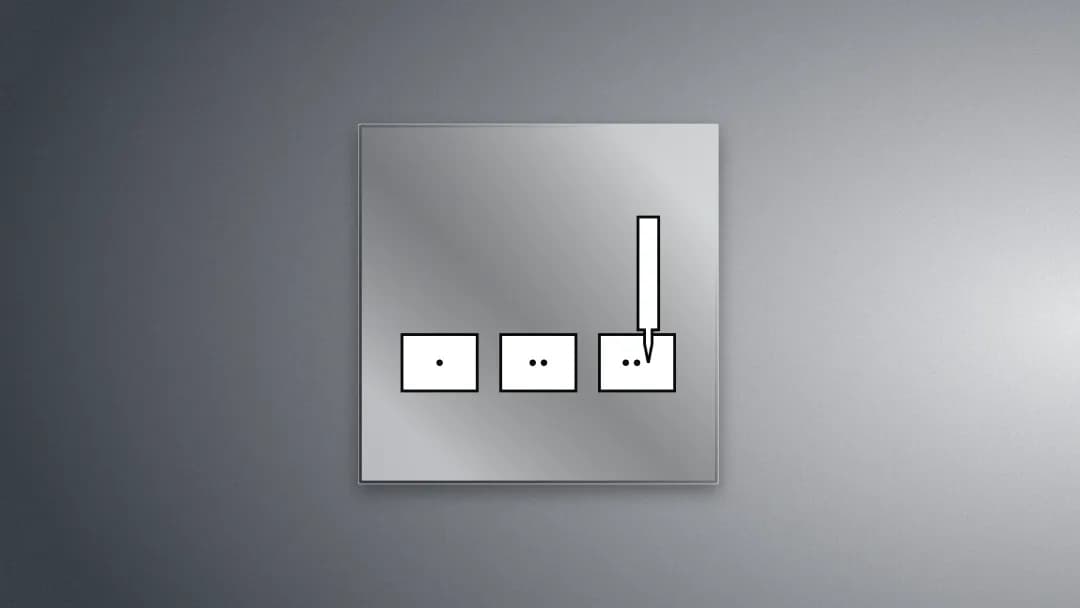
Dynamic marking of automatically incrementing serial numbers, real-time date/time, and shift codes on surfaces.