Dotpeenator™ Logo
Shipping industry

Shipping industry

The shipbuilding industry widely utilizes dot-matrix marking machines to ensure durable and permanent part traceability against harsh marine conditions. This technology is used to engrave indelible serial numbers, logos, and QR codes onto many critical components, from ship plating and engine parts to valves and safety equipment. This deep marking process, performed using a physical impact method, maintains its readability even after rigorous shipyard processes such as rust removal, sandblasting, and intensive painting. Consequently, dot-matrix marking facilitates compliance with international maritime standards while making inventory management and maintenance processes in shipyards safer and more effective.

The shipbuilding and maritime industry is a dynamic field where all equipment and structural parts are exposed to extremely harsh environmental conditions. Saltwater, high humidity, extreme temperature variations, UV rays, and chemicals cause information on ship parts to fade or become illegible over time. This is where dot-matrix marking machines come into play, providing lifelong, durable, and long-lasting traceability on metal surfaces.


Key Use Cases and Traceability

In shipbuilding, maintenance, and operation, the accurate tracking of thousands of parts is vital for both safety and logistics. Dot-matrix marking technology is widely used in the maritime industry in the following areas:

  • Hull and Plate Marking: Unique serial numbers, part codes, and 2D DataMatrix codes are engraved onto the steel surface of shipbuilding blocks and steel plates to ensure accurate tracking from production to assembly.
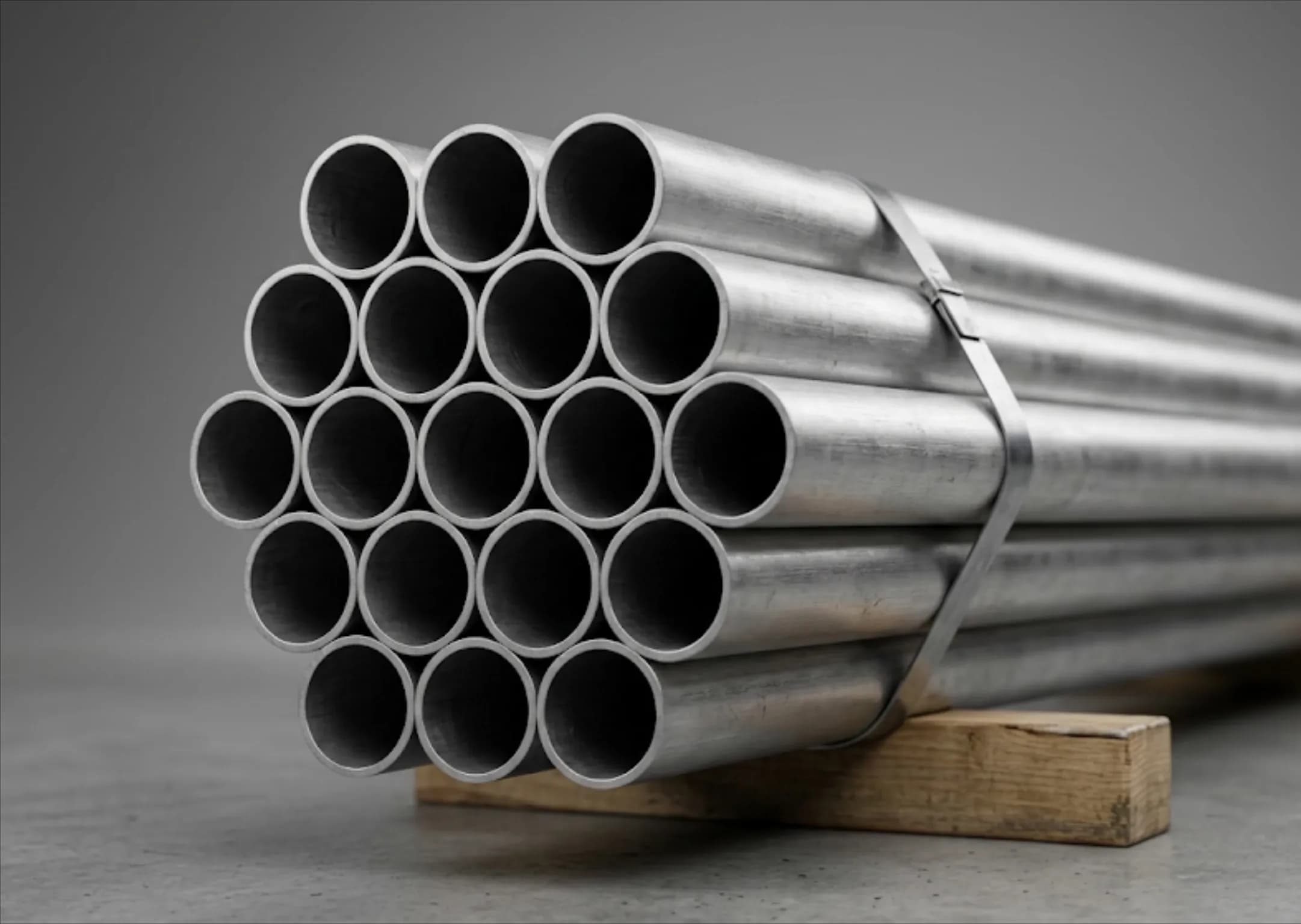
  • Engine and Mechanical Components: Part numbers and technical data are permanently printed on critical mechanical parts such as ship engines, crankshafts, propellers, high-pressure pipes, and valves.
  • Asset and Inventory Management: Safety equipment such as fire extinguishing systems, anchor chains, pumps, and life-saving tools are labeled using this method to facilitate inventory tracking.

Resistance to Harsh Conditions

Resistance to Harsh Conditions

Dot-matrix marking is achieved by physically creating micro-pits in the metal surface using a hardened carbide tip. Thanks to this deep structure, the markings remain legible even after sandblasting, heavy painting, rusting, or abrasion.

Compliance with International Standards

Compliance with International Standards

It ensures full compliance with the certification, part verification, and backward traceability requirements mandated by the IMO (International Maritime Organization) and various classification societies (Lloyd's Register, Bureau Veritas, etc.).

Mobility and Flexibility

Shipyards are vast areas, and moving ship blocks weighing tons is challenging. Thanks to portable (battery-powered or handheld) dot-matrix marking devices, operators can quickly mark parts on-site, going directly to the part in the shipyard.